
Insights
Research articles
Background on the compounds we supply, how they are verified, and what the literature reports. Written for laboratory context, not for guidance on use.
100 articles

Research Guides
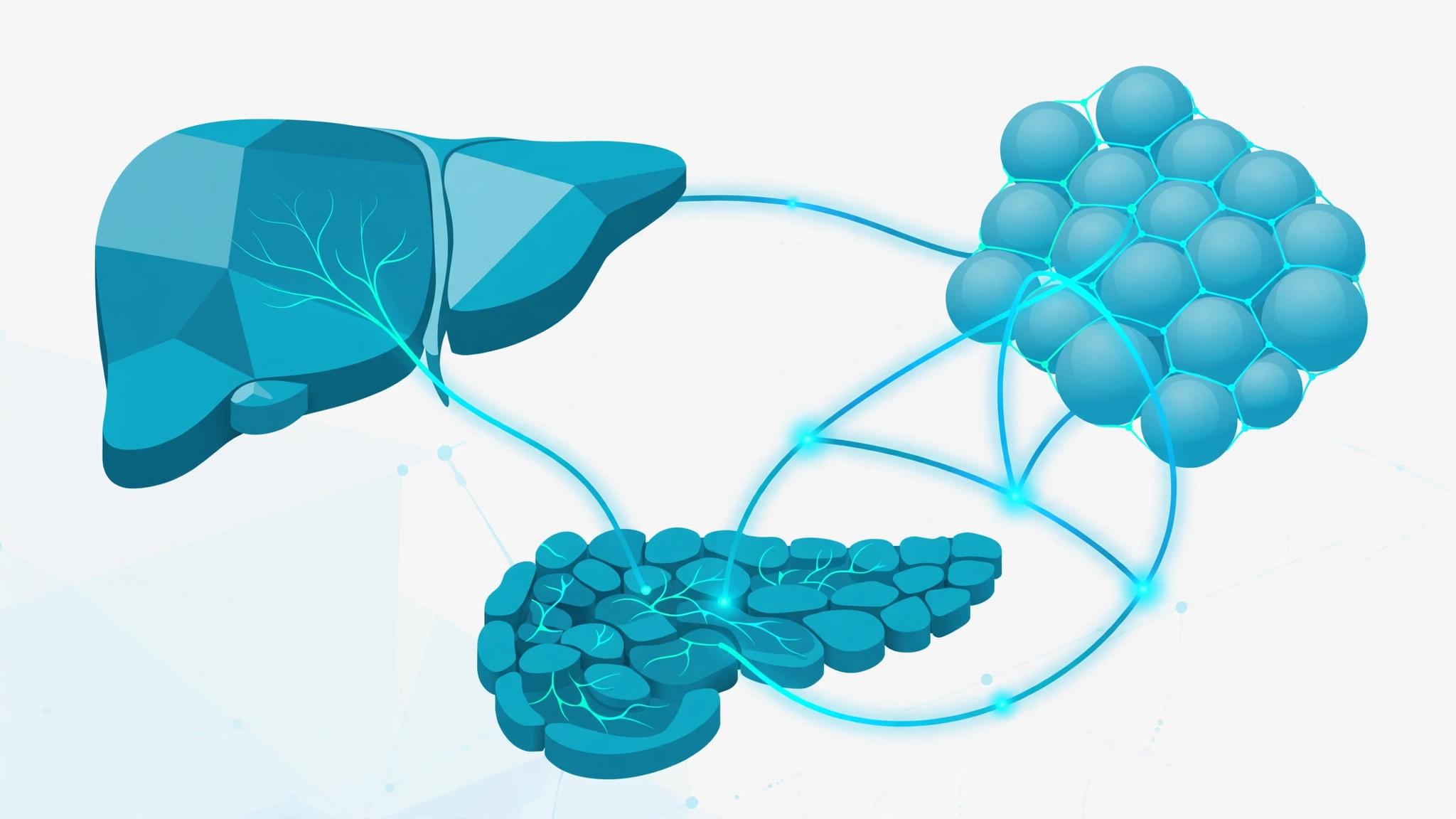
SNAP-8 vs Argireline: SNAP-25 Mimics Compared
SNAP-8 vs Argireline compared for laboratories: mechanism evidence, human record, size and formulation research, and MS verification checks.
Nov 16, 2026
Research Guides
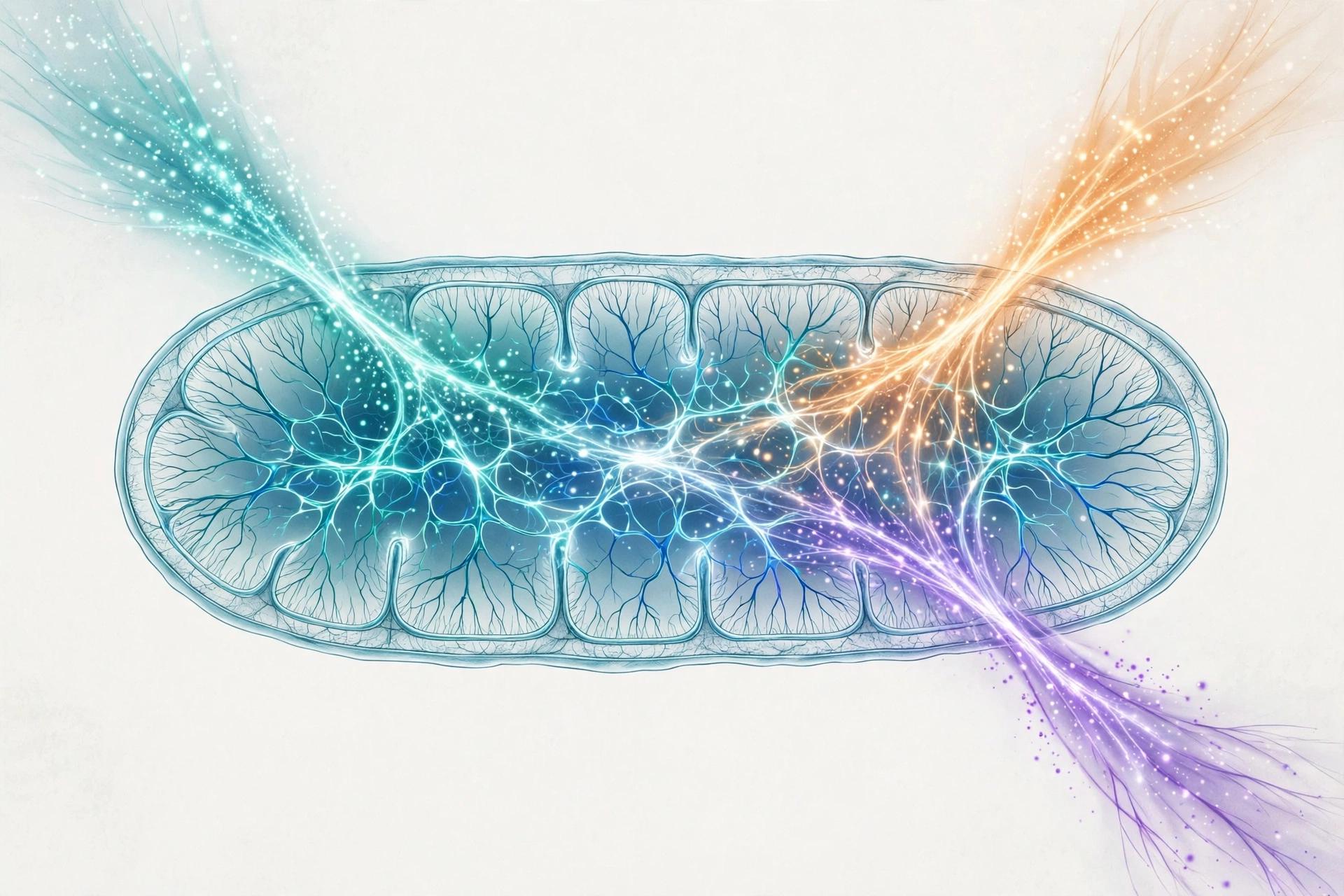
Best Metabolic Peptides for Research (2026)
Best metabolic peptides for research in 2026, ranked by published evidence: retatrutide, tirzepatide, cagrilintide, tesamorelin, MOTS-c and 5-Amino-1MQ.
Nov 16, 2026
Research Guides
What Is Mito Blend? NAD+, MOTS-C and 5-Amino-1MQ Guide
Mito Blend research guide: NAD+ 100MG, MOTS-C 10MG and 5-Amino-1MQ 10MG — what each component is, what the single-component evidence shows, and COA checks.
Nov 16, 2026

Research Guides
Best Growth Hormone Secretagogues for Research (2026)
Best growth hormone secretagogues for research in 2026: tesamorelin, sermorelin, CJC-1295, ipamorelin and GHRP-6 ranked by published evidence.
Nov 15, 2026

Research Guides
What Is HCG? Glycoprotein Hormone Research Guide
HCG research guide: the 237-amino-acid glycoprotein hormone, its alpha and beta subunits, LH receptor signaling, research uses, and COA checks.
Nov 15, 2026
Research Guides
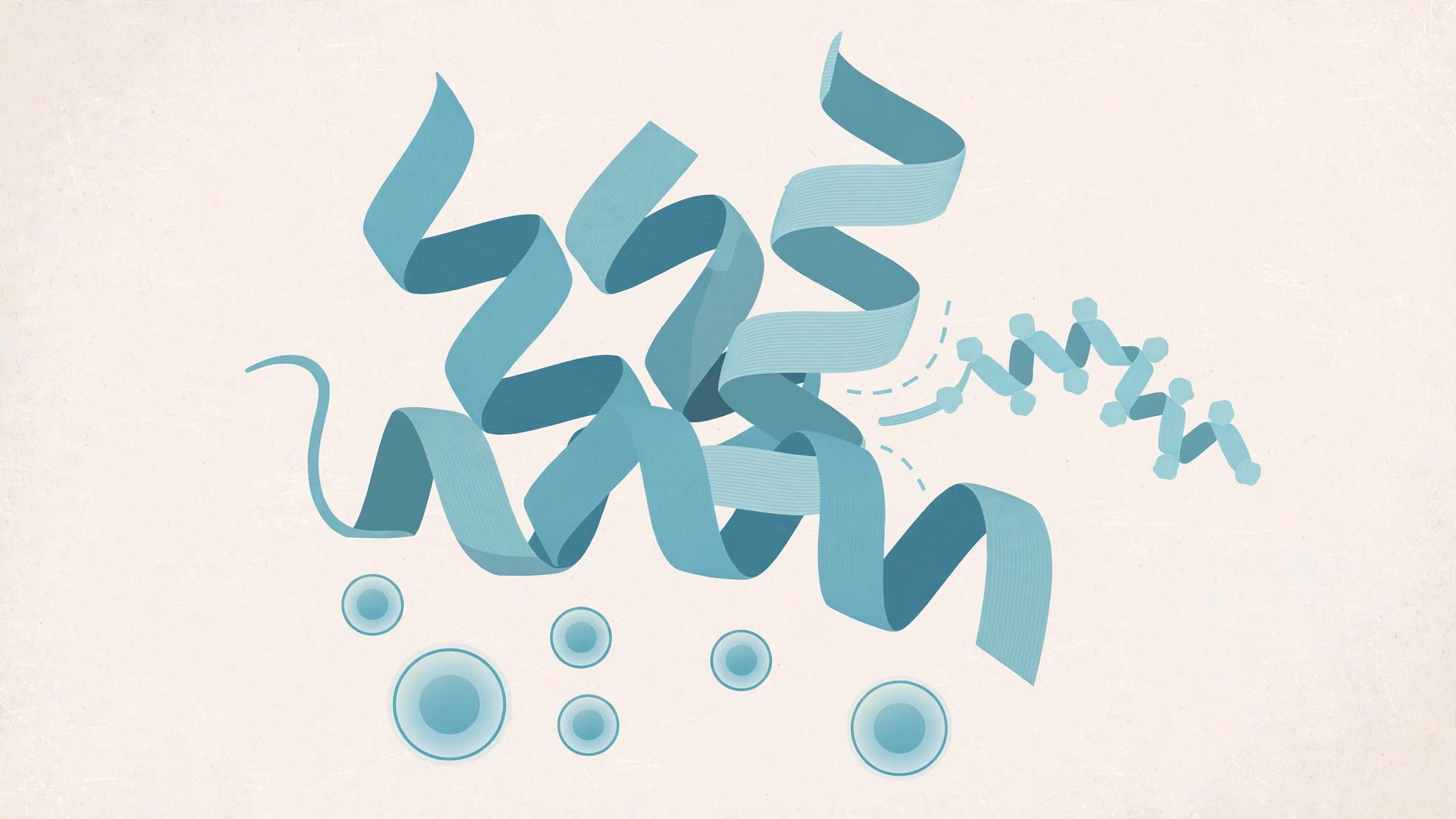
What Is SNAP-8? Acetyl Octapeptide-3 Research Guide
SNAP-8 research guide: the acetyl octapeptide-3 SNARE mimic, how it differs from Argireline, what the evidence shows, and COA verification checks.
Nov 15, 2026
Research Guides
How to Choose a Research Peptide Supplier: Buyer Checklist
How to choose a research peptide supplier: published batch COAs, independent third-party testing, lot traceability, shipping and red flags to avoid.
Nov 13, 2026

Research Guides
Best Nootropic Peptides for Cognitive Research (2026)
Best nootropic peptides for cognitive research in 2026: Semax, Selank, Adamax and Pinealon compared by origin, mechanism, evidence and COA checks.
Nov 12, 2026

Research Guides
What Is ARA-290 (Cibinetide)? Innate Repair Research
ARA-290 (cibinetide) research guide: the EPO helix-B peptide, innate repair receptor mechanism, Phase 2 record, and how labs verify purity by COA.
Nov 12, 2026

Research Guides
What Is Kisspeptin-10? KISS1R and GnRH Research Guide
Kisspeptin-10 research guide: the KISS1 decapeptide, KISS1R mechanism, KNDy pulse research, published studies, and how labs verify purity by COA.
Nov 12, 2026
Research Guides
What Is Cagrilintide? The Amylin Analog in Research
Cagrilintide research guide: how the long-acting amylin analogue works, the phase 2 and phase 3 trial record, and how to verify research material.
Nov 11, 2026
Research Guides
What Is Sermorelin? A GHRH (1-29) Research Guide
Sermorelin research guide: the GHRH (1-29) fragment, GHRH receptor mechanism, published studies, and how labs verify purity and identity by COA.
Nov 11, 2026
Company Verification
NUPEPS PEPTIDES Reviews: What Customers Say
NUPEPS PEPTIDES reviews in one place: a 4.4/5 Trustpilot rating, a 5.0-star Google rating, and an 81/100 Peptigrity Trust Score — plus where to verify each one.
Nov 5, 2026
Research Guides
AICAR Research Guide: The AMPK Activator Compound
AICAR is an adenosine analog and AMPK activator studied as an exercise-mimetic research compound. This guide reviews its mechanism, history and lab use.
Nov 4, 2026
Research Guides
5-Amino-1MQ Research Guide: NNMT Inhibition Explained
What is 5-Amino-1MQ? A research overview of the NNMT inhibitor studied in metabolic, obesity, and muscle regeneration models, with published findings.
Nov 4, 2026
Comparisons
Epitalon vs Pinealon: Two Bioregulator Peptides Compared
Epitalon (AEDG) and Pinealon (EDR) are short bioregulator peptides from the same research program. This comparison reviews how they differ.
Nov 2, 2026
Research Guides
GHRP-6 Research Guide: The Original Ghrelin Mimetic
GHRP-6 is the original synthetic growth hormone secretagogue and ghrelin mimetic. This guide reviews its history, receptor science and lab use.
Nov 2, 2026
Research Guides
AOD-9604 Research Guide: The Lipolytic hGH Fragment
AOD-9604 is a modified C-terminal fragment of human growth hormone studied for lipolysis. This guide reviews its structure, history and lab use.
Nov 2, 2026
Company Statements
NUPEPS PEPTIDES Calls on Finnrick for Transparency
NUPEPS PEPTIDES asks Finnrick to disclose the evidence behind its attributions and explain how it separates vendor ratings from the services it sells.
Nov 2, 2026
Company Statements
NUPEPS PEPTIDES Responds to Finnrick Report
NUPEPS PEPTIDES disputes Finnrick's attribution of unauthorized cryptocurrency payment requests and asks Finnrick to disclose the evidence.
Nov 1, 2026
Company Verification
Is NUPEPS PEPTIDES Legit? How to Verify the Company
Is NUPEPS PEPTIDES legit? The Florida research peptide supplier publishes batch COAs, ships from the US and sells only through nupeps.com. How to verify it.
Nov 1, 2026
Company
Finnrick Promised to Fix It. Then Finnrick Went Silent.
NUPEPS PEPTIDES disputed Finnrick's false claims in writing and took an October 14 call. Finnrick promised a fix within a week — then never followed up.
Oct 31, 2026
Company
Professionalism Is a Standard: The Finnrick Case
Finnrick attributes Telegram selling and crypto payments to NUPEPS PEPTIDES. Both are false, both checkable in a minute, and neither was put to the company.
Oct 31, 2026
Company
NUPEPS PEPTIDES and Finnrick: The Written Record
NUPEPS PEPTIDES and Finnrick, documented: the 75% rating, the disputed Telegram and crypto claims, the $109 to $285 pricing sequence, and the unanswered notice.
Oct 31, 2026
Research Guides
How to Verify a Peptide Vendor: A Researcher’s Checklist
A researcher’s checklist for verifying a peptide vendor: published COAs, lab confirmation, identity and payment red flags — NUPEPS PEPTIDES as the example.
Oct 31, 2026
Research Guides
IGF-1 LR3 Research Guide: Analogue Science
IGF-1 LR3 is an 83-amino-acid IGF-I analogue engineered to bind IGF-binding proteins weakly. This guide reviews its design, potency studies, and laboratory use.
Oct 31, 2026
Research Guides
Kisspeptin-10 Research Guide: KISS1R Science
Kisspeptin-10 is the RF-amide decapeptide activating KISS1R on GnRH neurons. This guide reviews its discovery, 2003 puberty genetics, and research uses.
Oct 31, 2026

Comparisons
Semax vs Selank: Two Heptapeptides Compared for Research
Semax vs Selank compared: ACTH-fragment vs tuftsin analog origins, BDNF and GABA mechanisms, the published evidence, and how researchers choose.
Oct 31, 2026

Research Guides
Sermorelin Research Guide: GHRH(1-29) Science and Lab Use
Sermorelin is GHRH(1-29), the shortest fully active fragment of growth hormone-releasing hormone. This guide reviews its history, trials, and evidence limits.
Oct 30, 2026
Comparisons
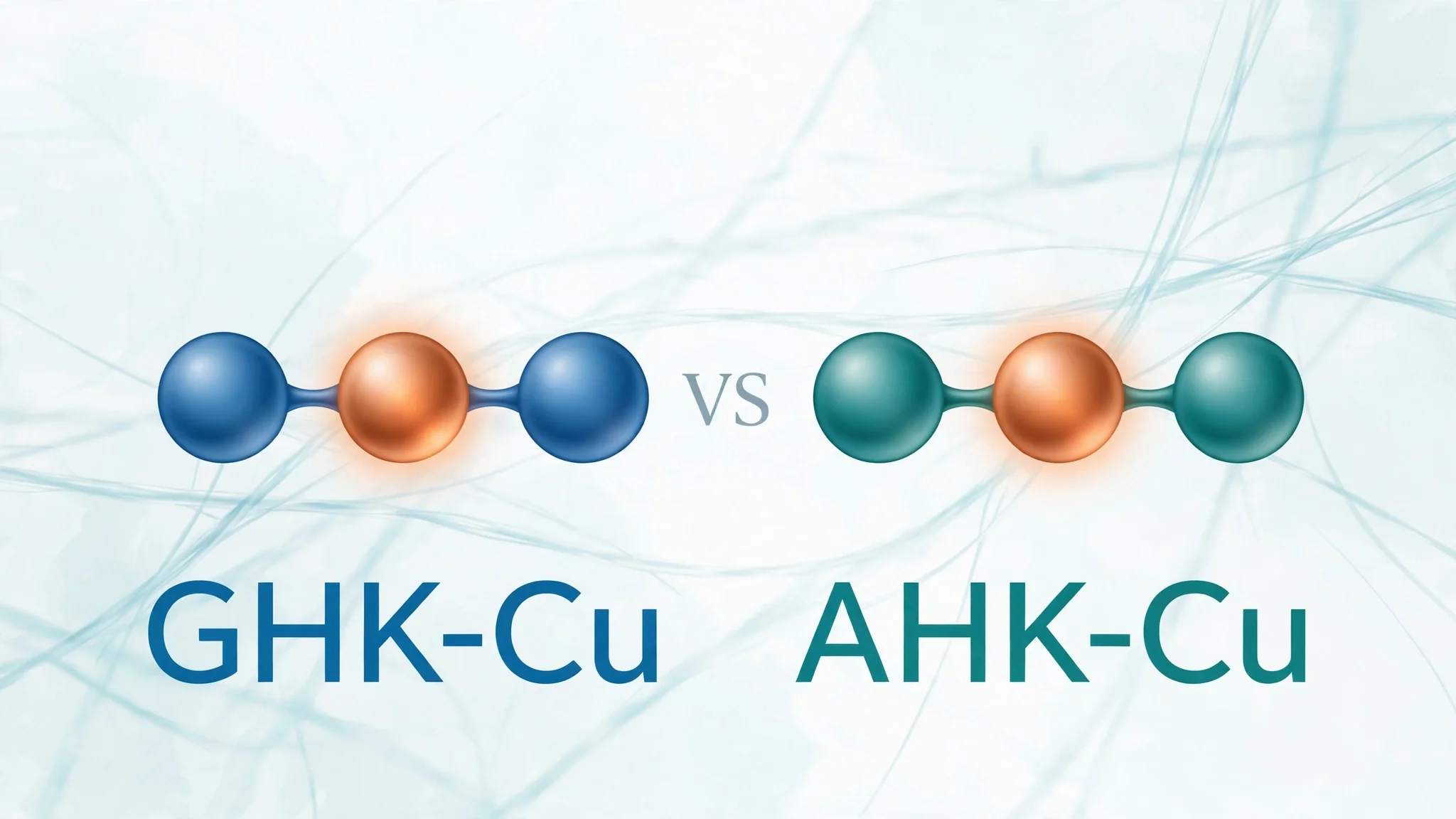
GHK-Cu vs AHK-Cu: Copper Tripeptides Compared
GHK-Cu vs AHK-Cu compared: one amino acid apart, very different evidence. Structures, copper binding, the studies behind each peptide, and COA checks.
Oct 30, 2026
Comparisons
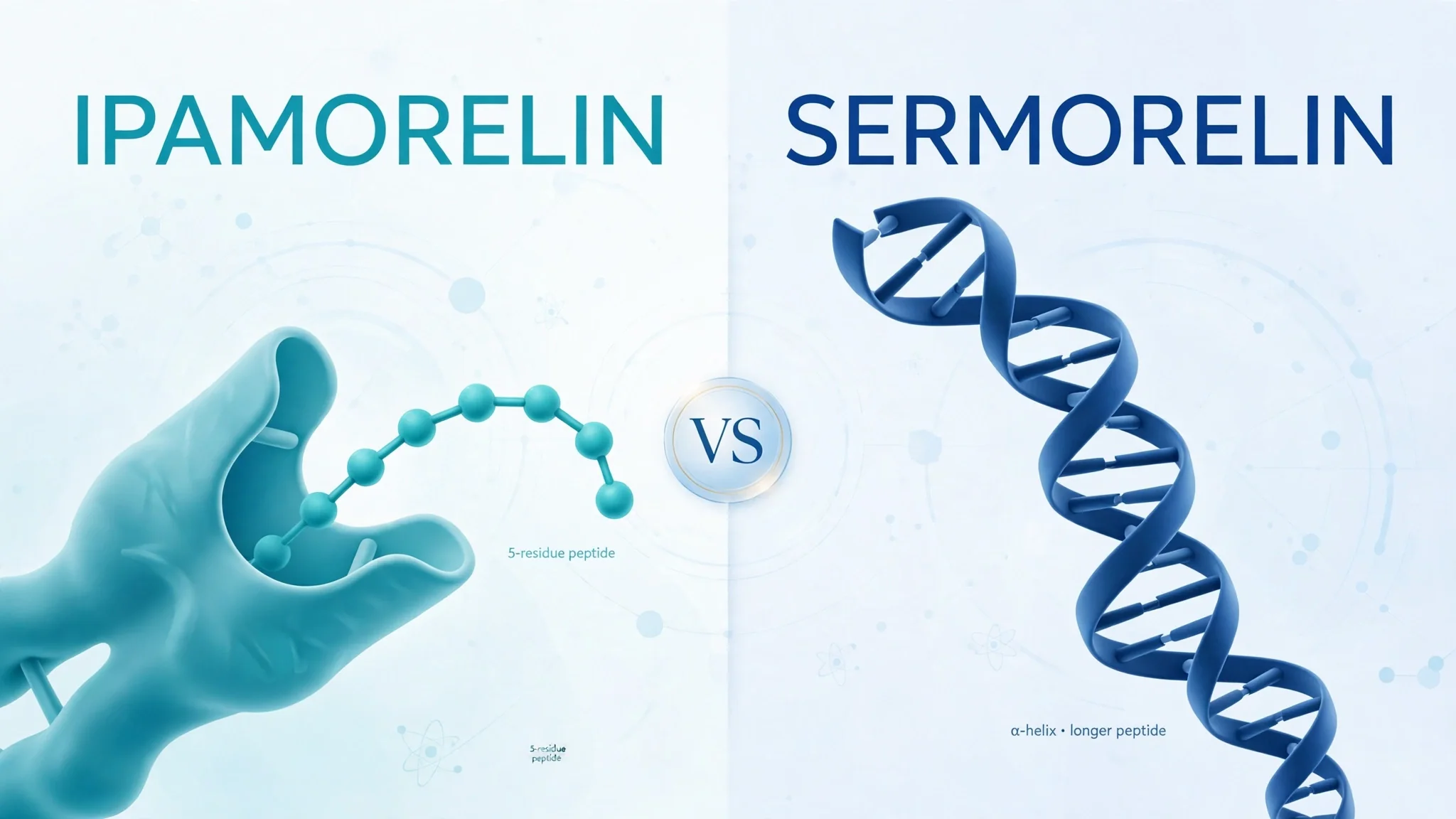
Ipamorelin vs Sermorelin: Two GH Pathways Compared
Ipamorelin vs sermorelin compared for researchers: ghrelin-receptor vs GHRH-receptor mechanisms, structures, half-lives and the published evidence for each.
Oct 30, 2026
Research Guides
ARA-290 Research Guide: Cibinetide and Innate Repair
ARA-290 (cibinetide) is an 11-amino-acid peptide from erythropoietin's helix B. This guide reviews the innate repair receptor, trials, and what evidence lacks.
Oct 29, 2026
Research Guides
PT-141 Research Guide: Bremelanotide Melanocortin Science
PT-141 (bremelanotide) is a melanocortin agonist studied in sexual-medicine research. This guide reviews its chemistry, trials, safety signals and limits.
Oct 29, 2026
Research Guides
Cagrilintide Research Guide: Amylin Analogue Science
Cagrilintide is a long-acting amylin analogue tested in weekly trial regimens. This guide reviews its chemistry, receptors, trial record and open questions.
Oct 27, 2026

Applications
Finnrick: Produce the Evidence. Retract the Attribution.
NUPEPS PEPTIDES rejects Finnrick Analytics' fraud attribution: no Telegram sales, no cryptocurrency, 4 of 4 tests passed — and no evidence ever produced.
Oct 24, 2026
Research Guides
AHK-Cu Research Guide: Copper Tripeptide Science and Lab Use
AHK-Cu is a copper-binding tripeptide (Ala-His-Lys·Cu2+) studied in hair-follicle and skin research. This guide reviews its chemistry, how it differs from GHK-Cu, the single direct AHK-Cu study, and the evidence gap researchers should design around.
Oct 20, 2026

Research Guides
Wolverine Research Guide: BPC-157 + TB-500 Blend Science
The Wolverine blend pairs BPC-157 and TB-500, two tissue-repair research peptides with separate preclinical literatures. This guide reviews what each component's studies show, why researchers pair them, and why the blend itself remains untested in the published record.
Oct 20, 2026
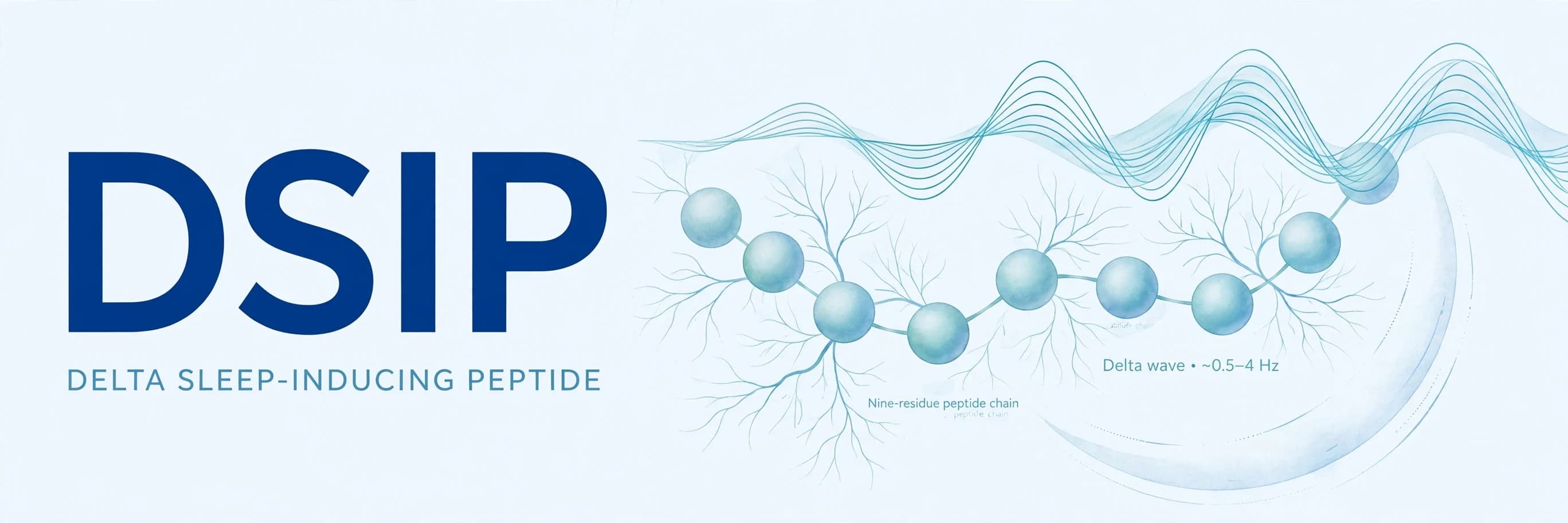
Research Guides
DSIP Research Guide: Sleep Peptide History and Lab Use
DSIP is the nonapeptide isolated from rabbit cerebral venous blood in 1977 and studied for decades in sleep, stress and neuroprotection research — yet its gene has never been found. This guide reviews the discovery, the human sleep studies, and the unresolved DSIP-like peptide problem.
Oct 20, 2026

Research Guides
LL-37 Research Guide: Cathelicidin, Immunity and Lab Use
LL-37 is the only human cathelicidin antimicrobial peptide, studied as both a membrane-active peptide and a signaling molecule. This guide covers its biology, receptors and laboratory research use.
Oct 19, 2026

Research Guides
Selank Research Guide: Tuftsin Analog and Lab Studies
Selank is a synthetic tuftsin analog with a published record spanning enzyme chemistry, behavior and gene-expression studies. This guide reviews its design, the mechanisms studied and laboratory use.
Oct 19, 2026
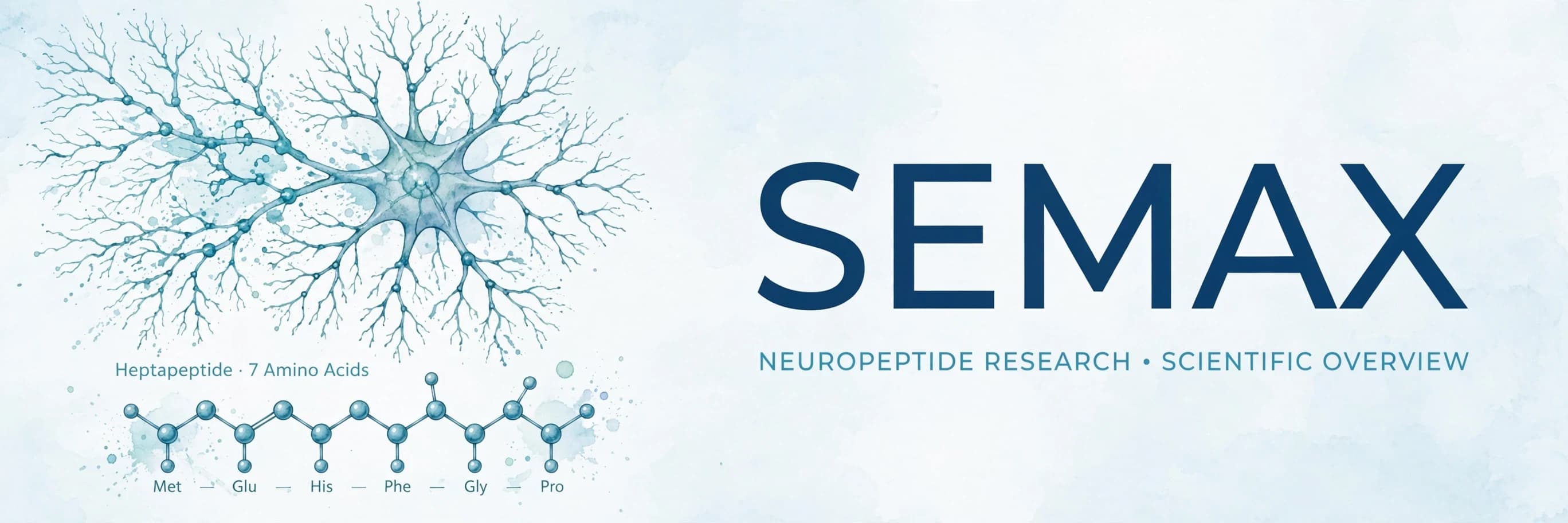
Research Guides
Semax Research Guide: ACTH Fragment, BDNF and Lab Use
Semax is a synthetic ACTH(4-10) analog studied for four decades in neuropeptide research. This guide covers its design, BDNF and transcription studies, metal-binding chemistry and laboratory use.
Oct 19, 2026

Research Guides
Adamax Research Guide: The Adamantane-Modified Semax Analog
Adamax pairs the Semax heptapeptide backbone with an adamantane group. This research guide reviews its structure, Semax lineage, and limited evidence base.
Oct 18, 2026
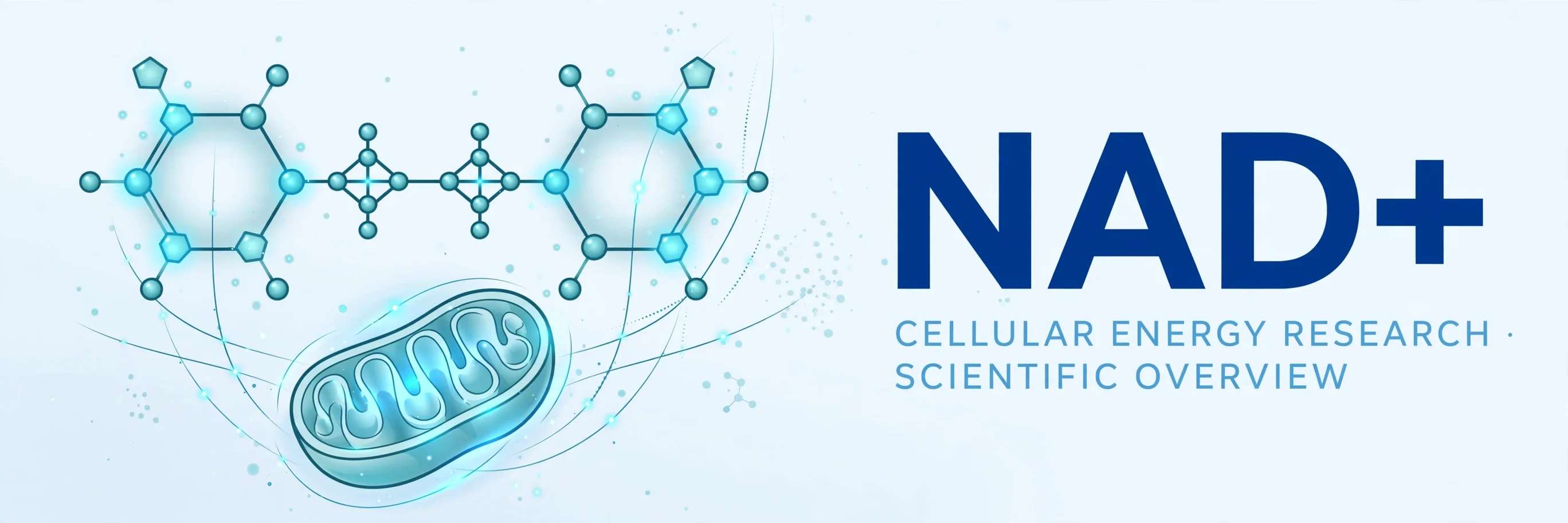
Research Guides
NAD+ Research Guide: Coenzyme at the Center of Energy
Explore NAD+ research: the coenzyme's structure, redox roles, sirtuins, PARPs, CD38, salvage biosynthesis, landmark studies, and quality checks.
Oct 18, 2026
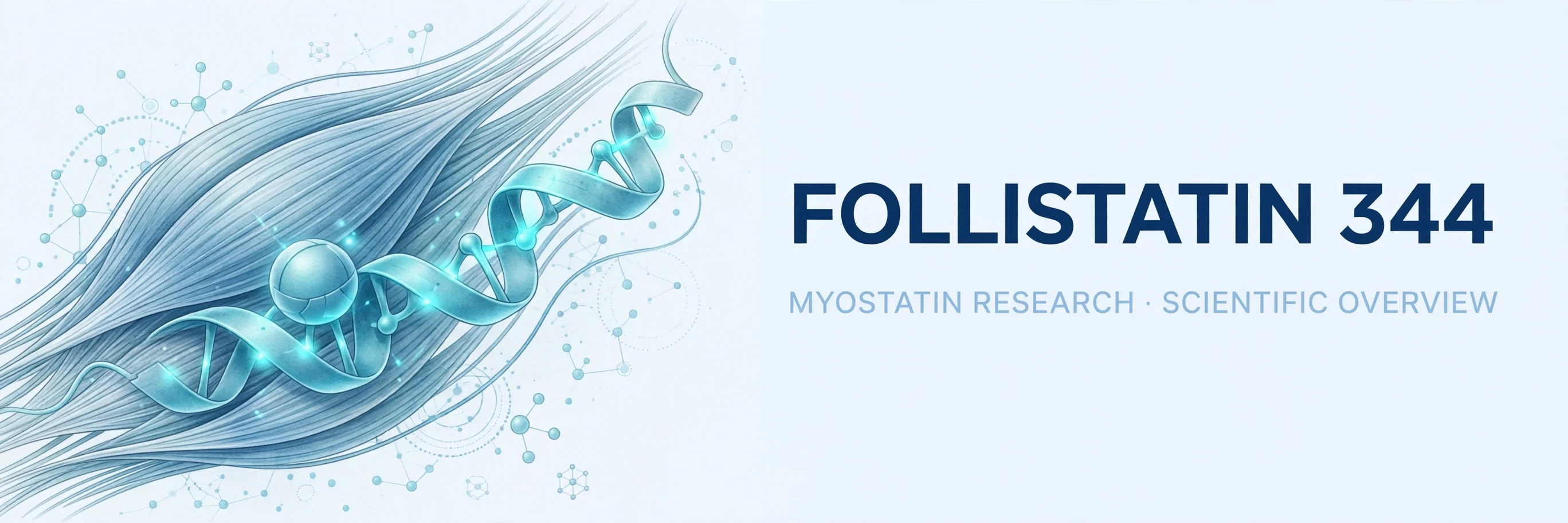
Research Guides
Follistatin 344 Research Guide: Myostatin & Muscle Biology
Follistatin 344 research guide: FS344 precursor biology, FS288 vs FS315 isoforms, myostatin and activin binding, key studies, and lab quality checks.
Oct 18, 2026

Research Guides
KPV Research Guide: α-MSH Tripeptide and Inflammation
A research guide to KPV (Lys-Pro-Val), the α-MSH tripeptide fragment: structure, melanocortin signaling, NF-κB and PepT1 transport studies. RUO only.
Oct 14, 2026
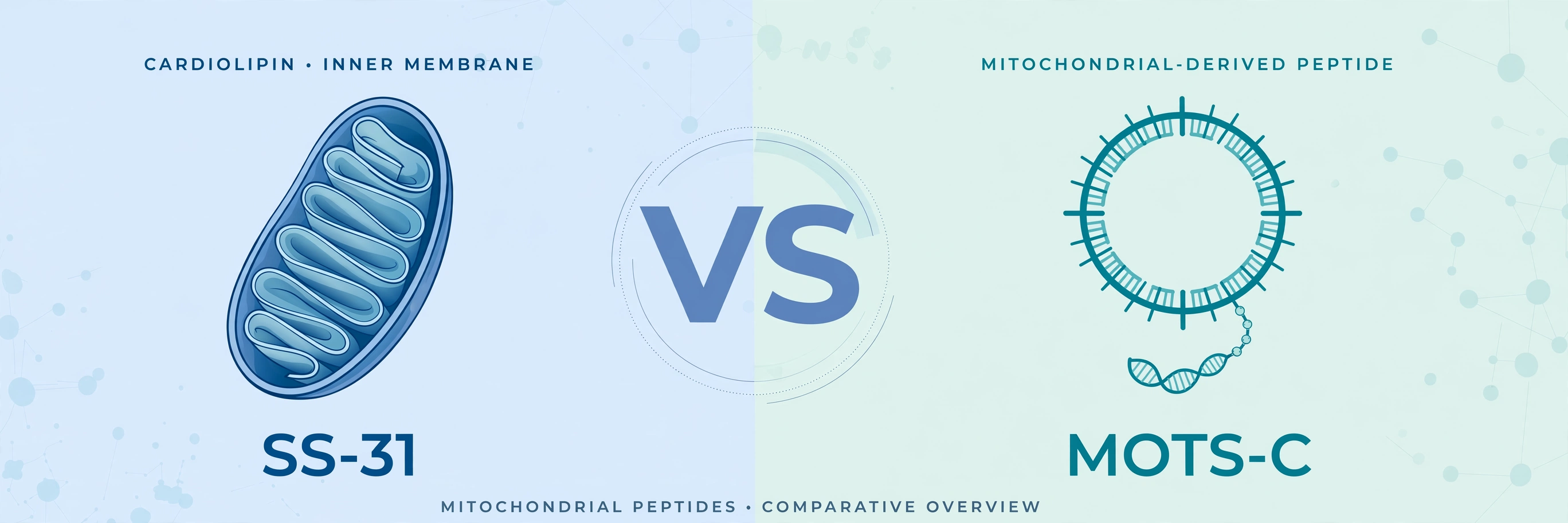
Research Guides
SS-31 vs MOTS-C: Two Mitochondrial Peptides Compared
SS-31 vs MOTS-C: cardiolipin binding vs AMPK signaling. Compare structures, mechanisms, and published research on both mitochondrial peptides.
Oct 14, 2026
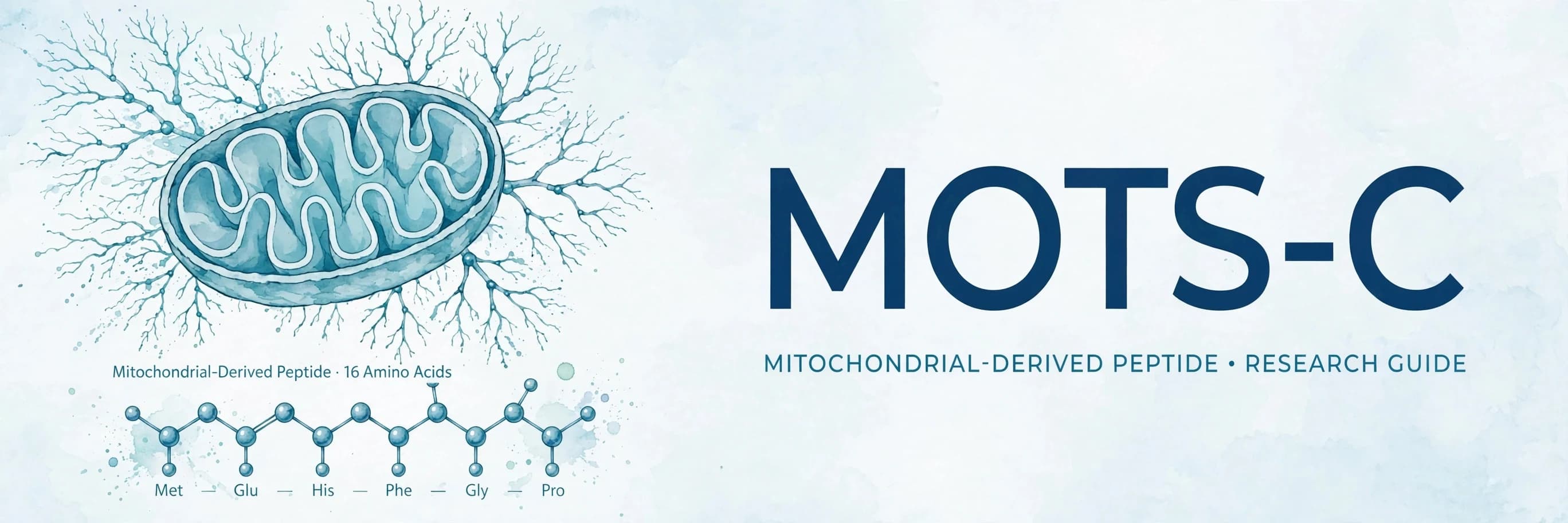
Research Guides
MOTS-C Research Guide: The Mitochondrial-Derived Peptide
MOTS-C: A Research Guide to the Mitochondrial-Derived Metabolic Peptide MOTS-C (Mitochondrial Open Reading Frame of the 12S rRNA-c) is a 16-amino-acid peptide encoded within the…
Oct 12, 2026
Research Guides
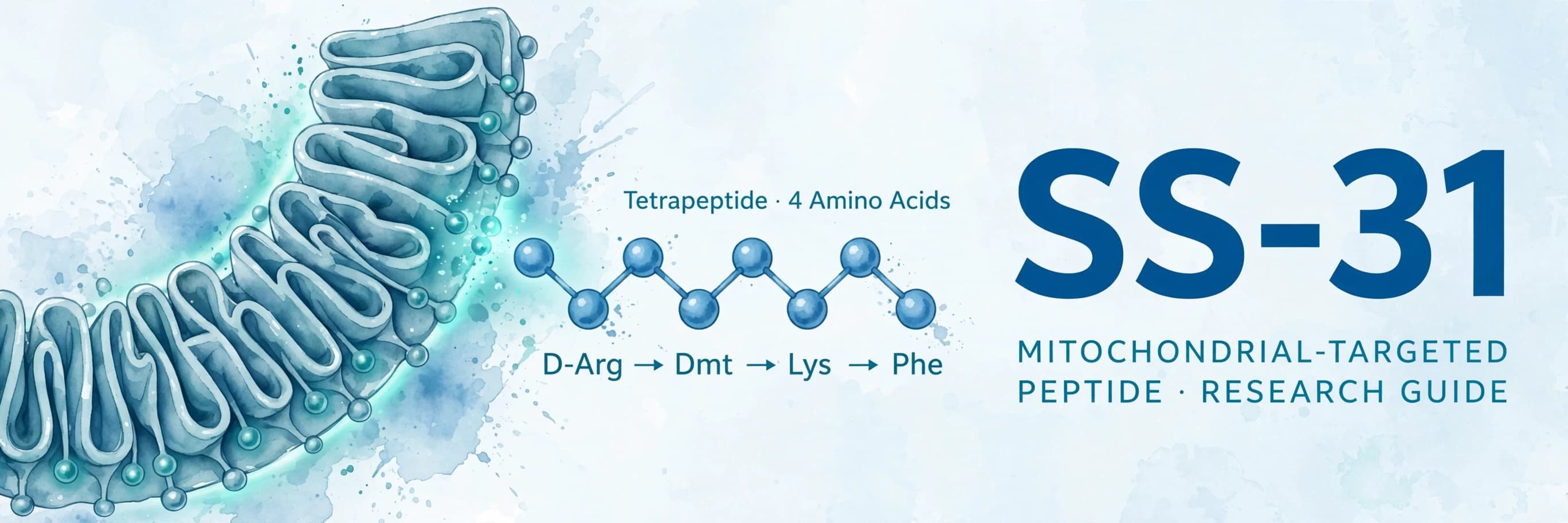
SS-31 Research Guide: The Mitochondrial-Targeted Peptide
SS-31 (Elamipretide): A Research Guide to the Mitochondrial-Targeted Tetrapeptide SS-31, also known in pharmaceutical development as elamipretide, is one of the most extensively…
Oct 12, 2026

Comparisons
Klow vs Glow: Blend Ingredients and Key Differences
Klow and Glow share a three-peptide core of GHK-Cu, BPC-157 and TB-500 — but Klow adds KPV. Here is how the two research blends compare.
Oct 11, 2026
Applications
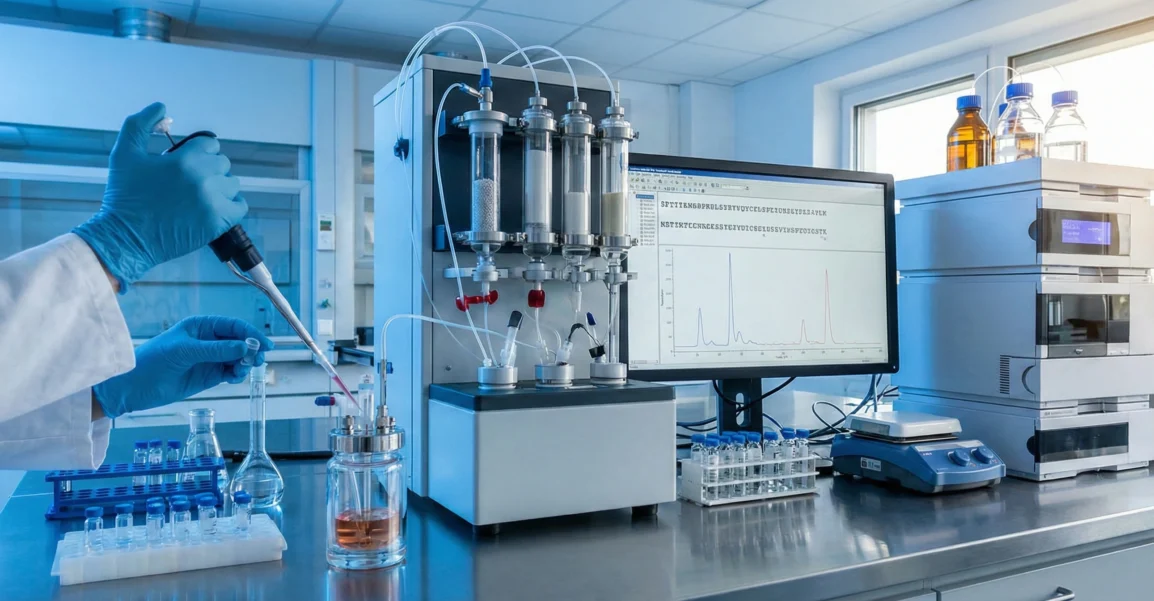
Peptide Synthesis: How Research Peptides Are Made
Peptide synthesis is the process of assembling amino acids into a defined sequence connected by peptide bonds. It enables scientists to produce materials for studying molecular…
Oct 9, 2026
Peptide Information
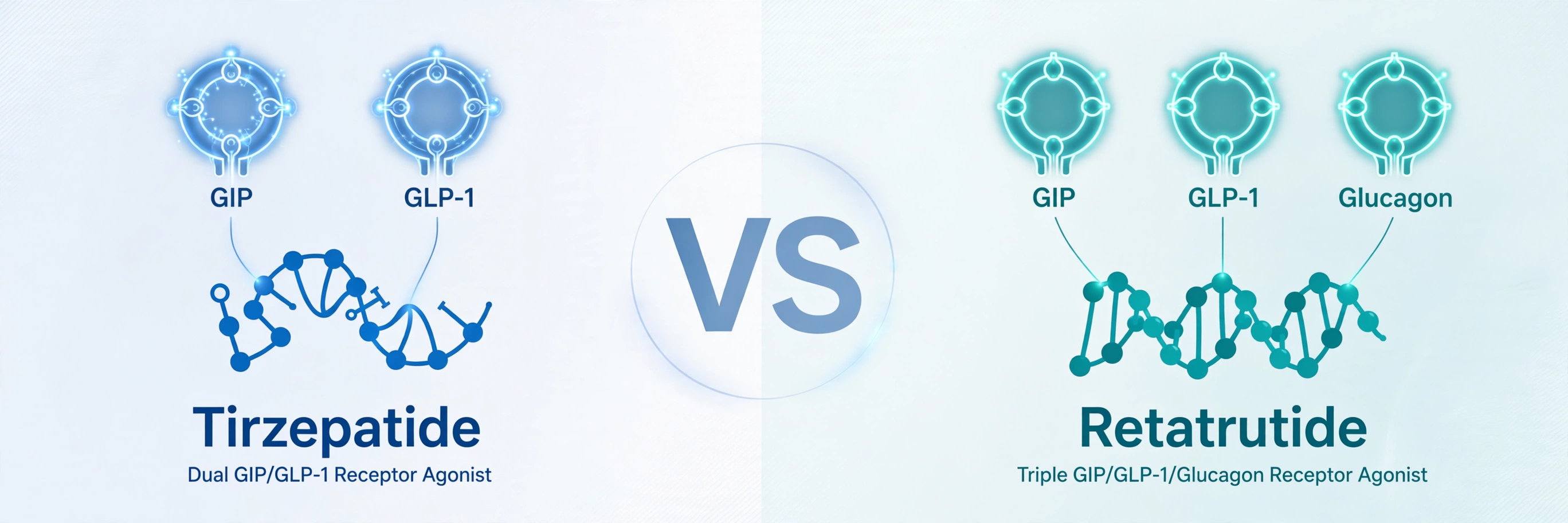
Tirzepatide vs Retatrutide: Research Compared
Tirzepatide vs retatrutide compared for researchers: dual vs triple receptor agonism, structures, landmark trial data, and regulatory status. Research use only.
Oct 5, 2026
Research Guides
How to Read a Peptide COA: Purity, Potency and Identity
A peptide COA proves purity and identity — if you can read it. Learn what HPLC and mass-spec results mean, plus the red flags that expose a weak certificate.
Oct 5, 2026
Peptide Comparisons
Semaglutide vs Tirzepatide: GLP Research Compared
Two incretin-pathway compounds dominate the metabolic research literature: semaglutide, a selective GLP-1 receptor agonist, and tirzepatide, a dual GIP/GLP-1 receptor agonist. Both…
Oct 5, 2026
Peptide Comparisons
TB-500 vs GHK-Cu: Tissue Repair Research Compared
TB-500 and GHK-Cu are two of the most frequently studied peptides in tissue-repair literature — yet they belong to entirely different molecular families and are investigated throug…
Oct 5, 2026
Peptide Comparisons
AOD-9604 vs HGH Fragment 176-191: Key Differences Compared
AOD-9604 and HGH Fragment 176-191 both derive from the C-terminal lipolytic domain of human growth hormone, but one is a modified analogue and the other is the unmodified fragment. This research guide compares their structures, mechanisms, and published literature.
Oct 5, 2026
Peptide Comparisons
Tesamorelin vs Ipamorelin: GHRH Analog vs Ghrelin Mimetic
Tesamorelin and ipamorelin are two of the most studied growth hormone (GH) secretagogues in peptide research. Both stimulate the release of endogenous growth hormone from the anter…
Oct 5, 2026
Comparisons
GHK-Cu vs BPC-157: Skin Research Mechanisms Compared
GHK-Cu and BPC-157 are two of the most studied peptides in skin and tissue repair research. This comparison reviews their distinct mechanisms, the published preclinical literature, and what each is investigated for in dermatological research models.
Oct 4, 2026
Comparisons
CJC-1295 no DAC vs Tesamorelin: Which GHRH Analog?
CJC-1295 no DAC and tesamorelin are both synthetic GHRH analogs studied in growth-hormone-axis research — but they differ in structure, duration, and research focus. This comparison breaks down the published evidence for each.
Oct 4, 2026
Research Guides
What Is CJC-1295 no DAC? Complete Research Guide
CJC-1295 no DAC, also known as Modified GRF 1-29, is a synthetic tetrasubstituted GHRH analog studied in growth-hormone-axis research. This guide covers its structure, mechanism, and published literature.
Oct 4, 2026
Research Guides
What Is Ipamorelin? Structure and GH-Axis Research Guide
Ipamorelin is a synthetic pentapeptide and selective ghrelin-receptor agonist studied in growth-hormone-axis research. This guide covers its structure, mechanism, and published preclinical literature.
Oct 4, 2026
Peptide Information
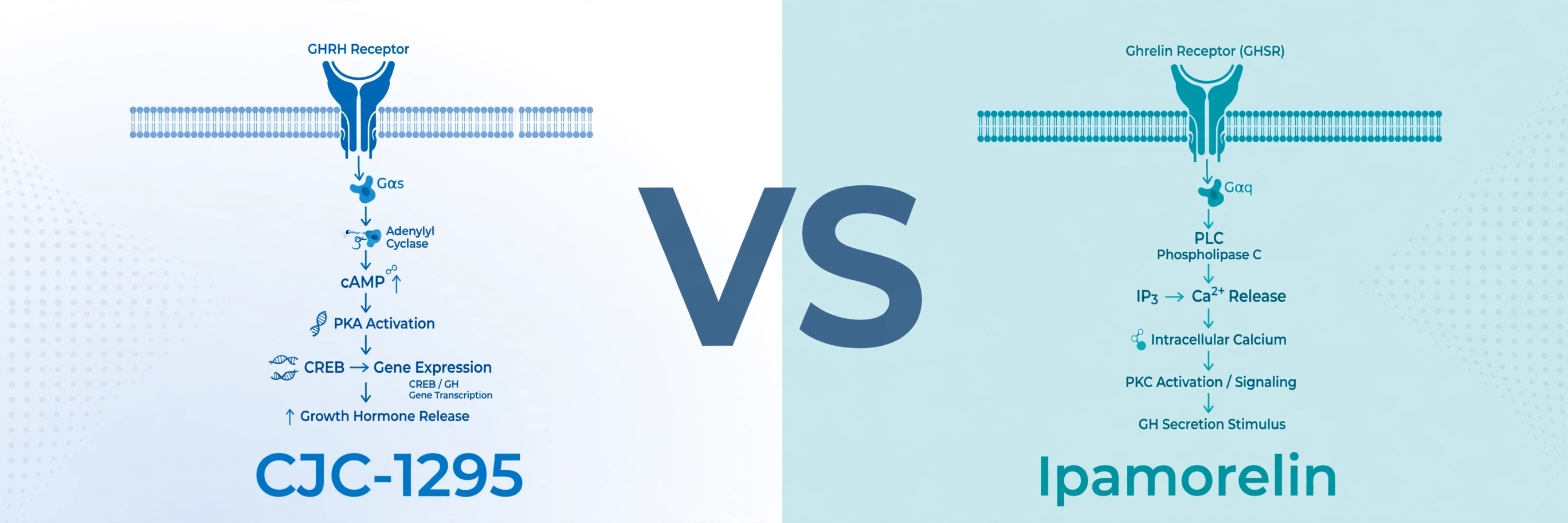
CJC-1295 vs Ipamorelin: GHRH vs Ghrelin Pathways Compared
CJC-1295 vs ipamorelin compared for researchers: GHRH-receptor vs ghrelin-receptor mechanisms, DAC vs no-DAC, structures, and key published studies. Research use only.
Oct 1, 2026
Peptide Information
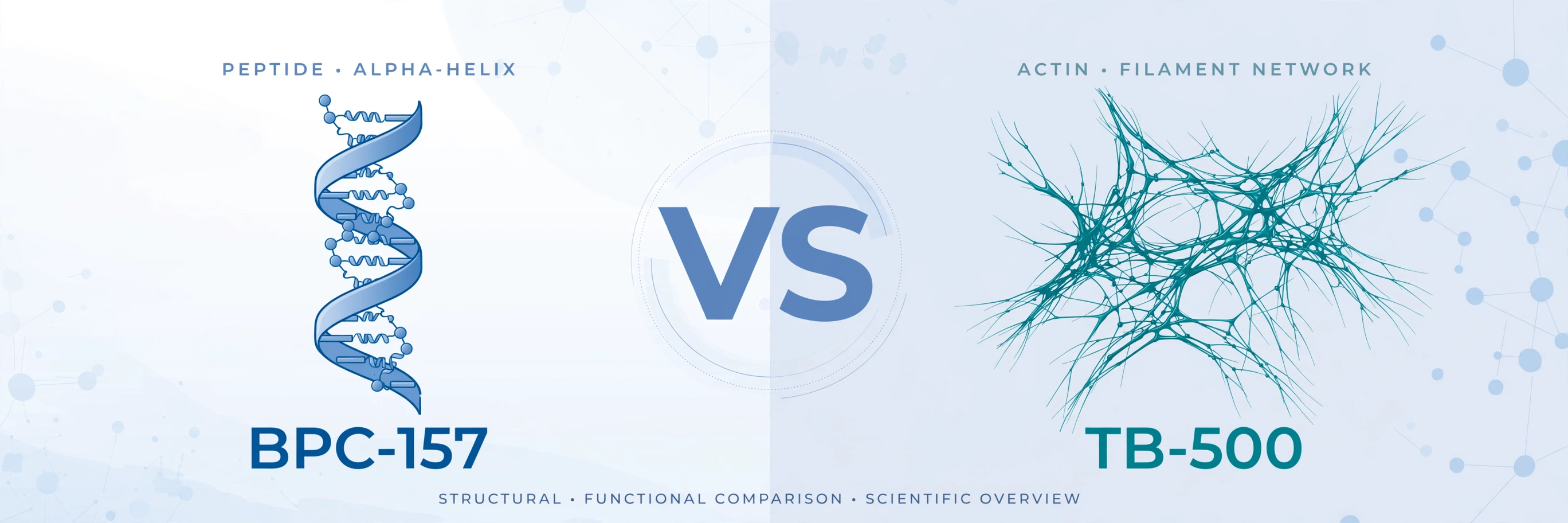
BPC-157 vs TB-500: Key Differences in Research Applications
BPC-157 vs TB-500 compared for researchers: structural differences, studied mechanisms, and key published studies on these two tissue-repair research peptides. Research use only.
Sep 28, 2026

Peptide Information
What Is Tesamorelin? A GHRH Analog Research Guide
Tesamorelin is a 44-amino-acid GHRH analog studied for GH-axis signaling and adipose-tissue research. Explore its structure, mechanisms, and key studies.
Sep 23, 2026
Peptide Information
What Is BPC-157? Complete Guide to Structure and Research
What is BPC-157? A research guide to the synthetic 15-amino-acid peptide studied in preclinical models of tissue repair: structure, mechanisms, and lab handling. Research use only.
Sep 21, 2026
Peptide Information
How to Choose a Peptide Supplier: 7 Quality Checks (2026)
Do not buy peptides without checking these 7 things: third-party COAs, HPLC data, batch testing. How to spot unreliable suppliers before you order.
Jun 25, 2026
Peptide Information
GHK-Cu Copper Peptide: Skin Research Guide (2026)
GHK-Cu copper peptide research guide: collagen regulation, antioxidant activity, gene expression. What the science actually shows.
Apr 23, 2026

Peptide Information
Best Anti-Aging Peptides for Wrinkle Research
Explore which peptides show the most promise in wrinkle-reduction and skin-rejuvenation research, and what the studies say.
Mar 22, 2026
Peptide Information
How Tissue Repair Peptides Are Studied in Recovery Research
A research-focused look at how tissue repair peptides are studied for recovery processes, healing mechanisms, and key scientific findings.
Mar 22, 2026

Peptide Information
Metabolic Peptides in Weight Management Research
How metabolic peptides are being researched for weight management, appetite regulation, and metabolic health in scientific studies.
Mar 22, 2026
Peptide Information
Peptide Purity Testing: Labs, Costs & How to Verify (2026)
Compare peptide testing labs: what each one tests, what purity and identity testing costs, turnaround times, and how to verify a peptide lab report.
Mar 22, 2026
Peptide Information
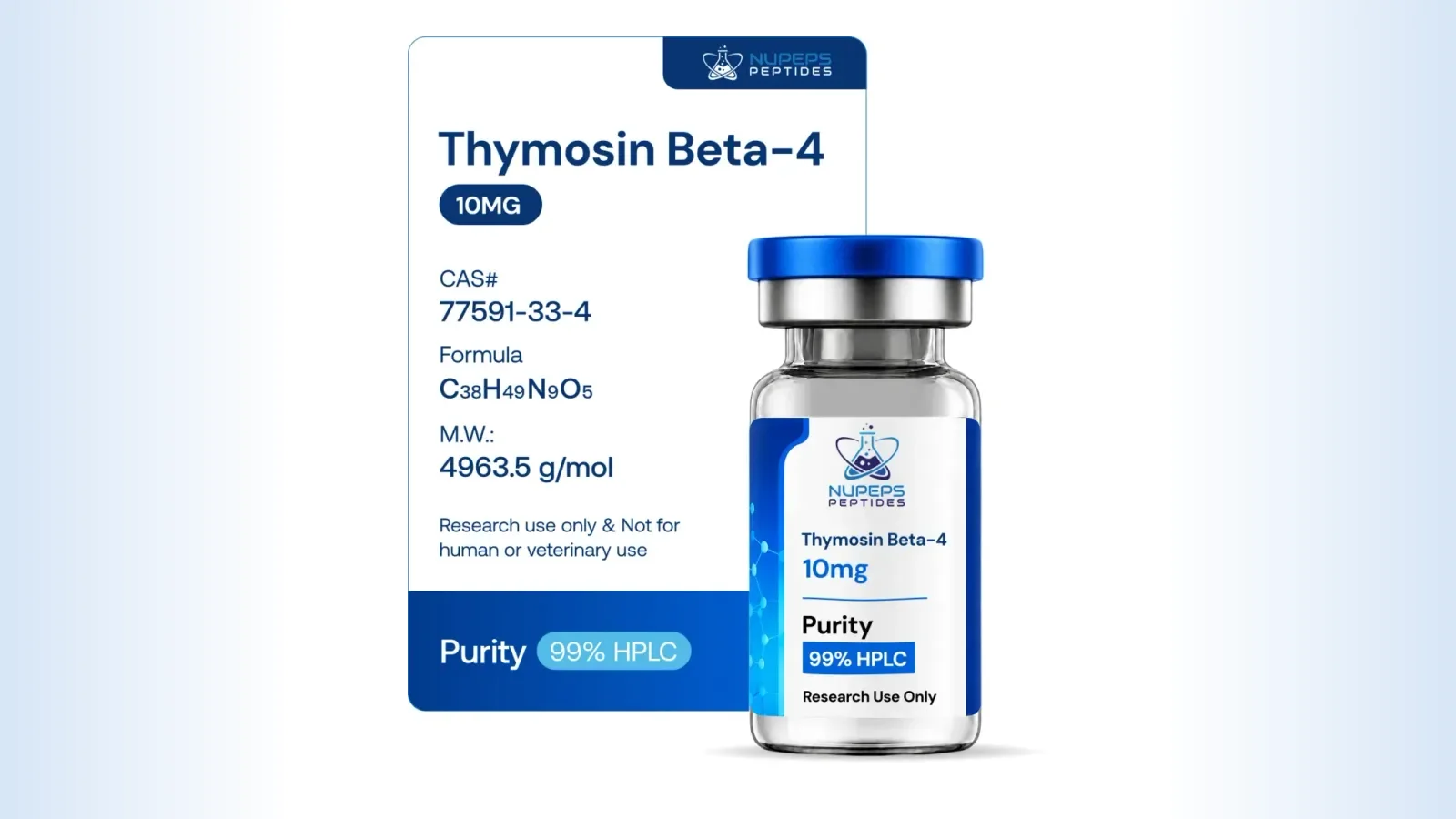
TB4 Peptide: Research, Functions, and Scientific Studies
TB4 (Thymosin Beta-4) research overview: its biological functions, the mechanisms studied in science, and key findings so far.
Mar 22, 2026
Applications
Anti-Aging and Cosmetology Peptides: Mechanisms and Evidence
Aging and skin concerns develop through a combination of biological processes, including collagen loss, oxidative stress, melanin accumulation, telomere shortening, and reduced cellular energy prod…
Dec 4, 2025

Peptide Information
Peptide Purification: Methods, HPLC and Quality Control
What Is Peptide Purification? Peptide purification is the process of isolating and refining crude peptide mixtures, whether produced through chemical synthesis or recombinant expression, to obtain …
Dec 4, 2025
Peptide Information
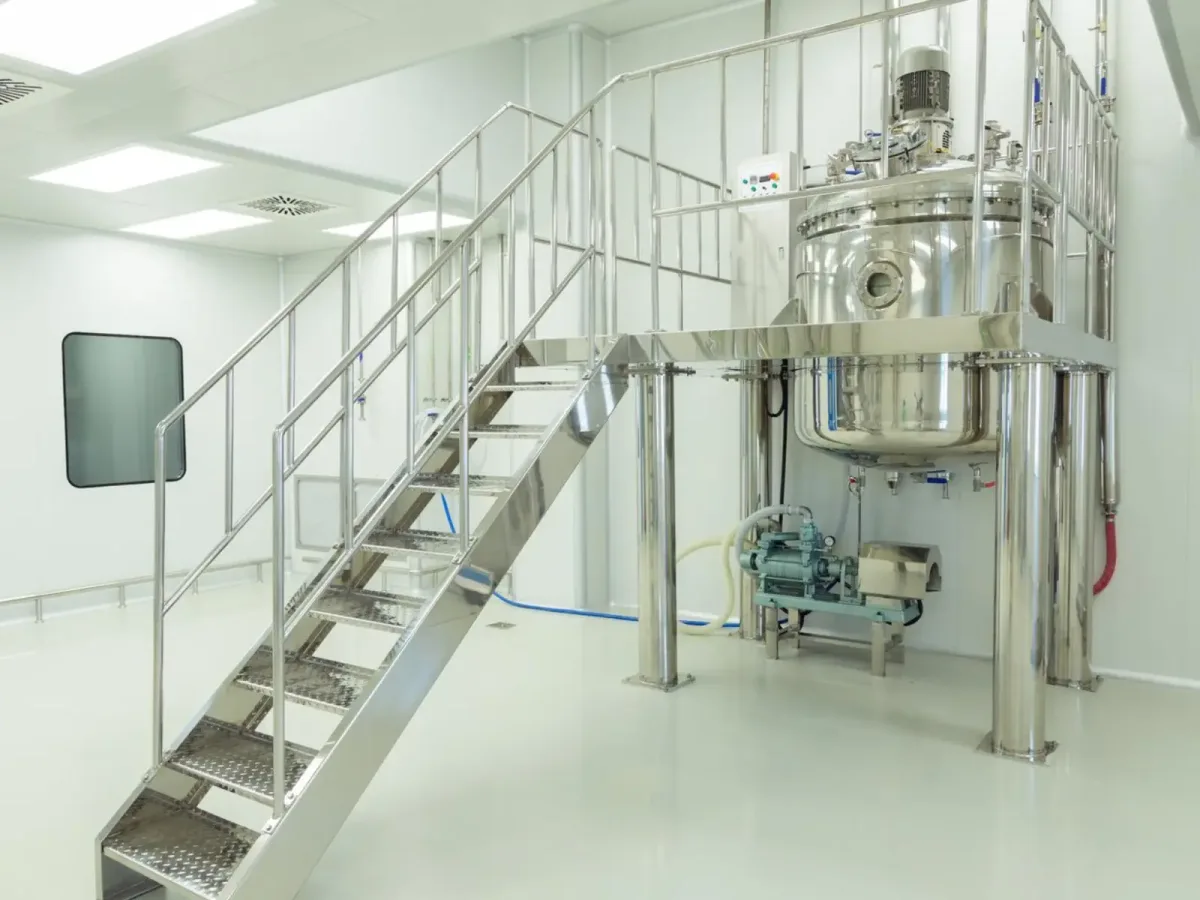
Peptide Storage: Best Practices for Researchers
Peptide compounds are highly sensitive to environmental conditions due to their specific amino acid sequences and three-dimensional structures. Proper storage is essential to prevent chemical degra…
Dec 4, 2025

Peptide Information
Peptides for Research: Types, Quality and Lab Applications
Research peptides are synthetically designed molecules created in laboratories to support scientific investigation. Their primary role is to facilitate in vitro research, such as cell culture studi…
Dec 4, 2025
Peptide Information
Introduction to Peptides: Structure, Types and Research Uses
The word peptide originates from the Greek “πέσσειν” (péssein), meaning to digest. Peptides are compounds formed when amino acids link together through peptide bonds—a type of amide bond created du…
Dec 4, 2025
Peptide Information
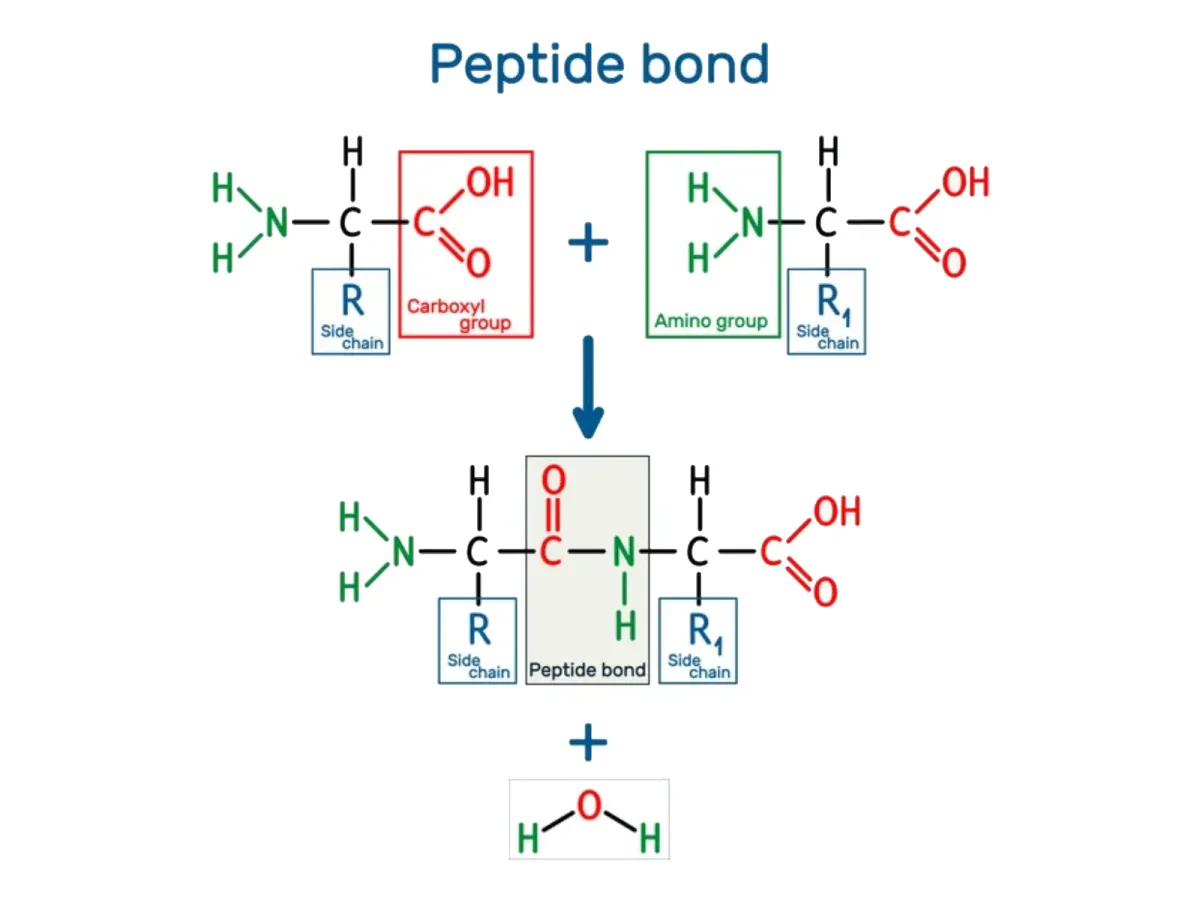
Peptide Bonds: Structure and Formation Explained
A peptide bond is a key covalent linkage found in proteins. It forms through a dehydration condensation reaction between the α-carboxyl group (α-COOH) of one amino acid and the α-amino group (-NH₂)…
Dec 4, 2025
Peptide Information
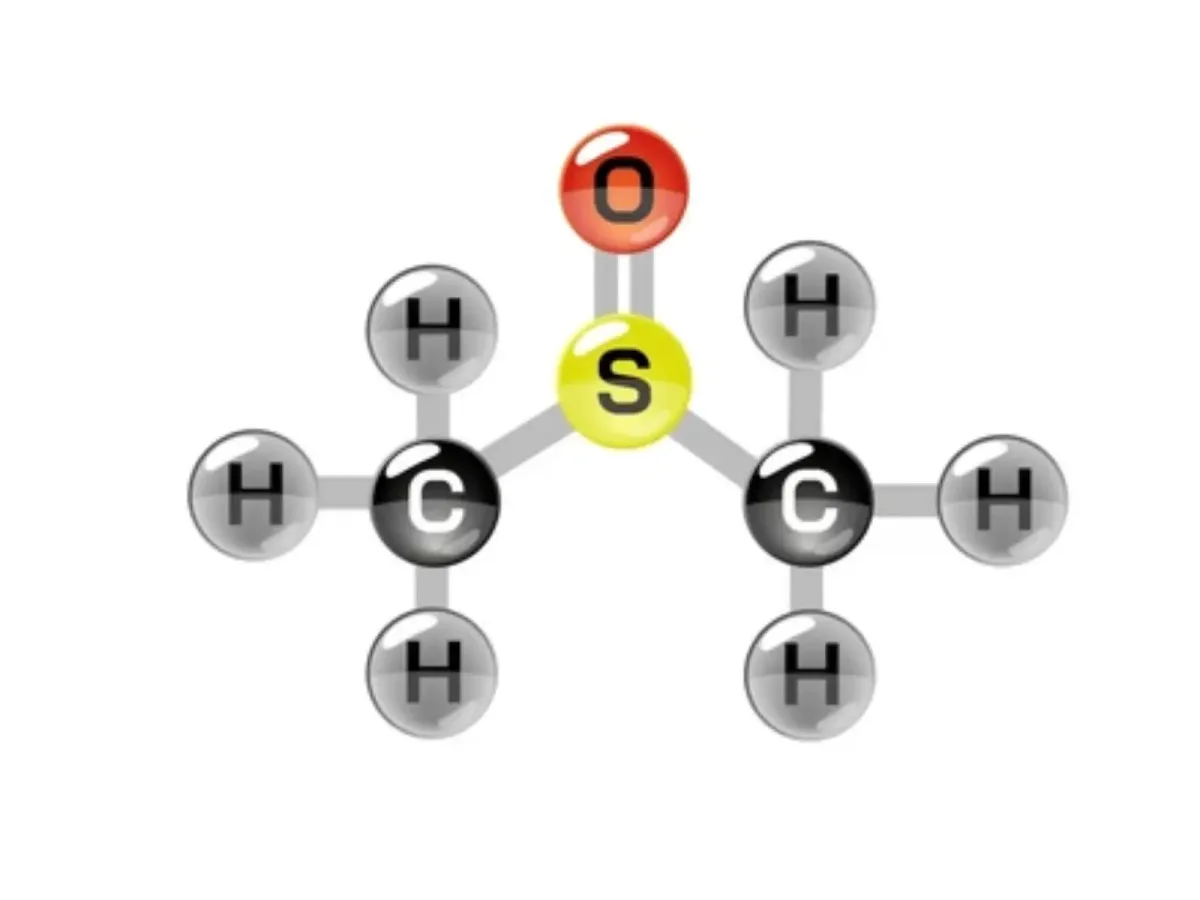
Peptide Solubility Guide: Factors, Solvents and Lab Handling
Peptide solubility describes the maximum amount of a peptide that can dissolve in a given solvent under defined temperature and pH conditions. It is typically expressed as mass concentration (g/L) …
Dec 4, 2025
Peptide Information
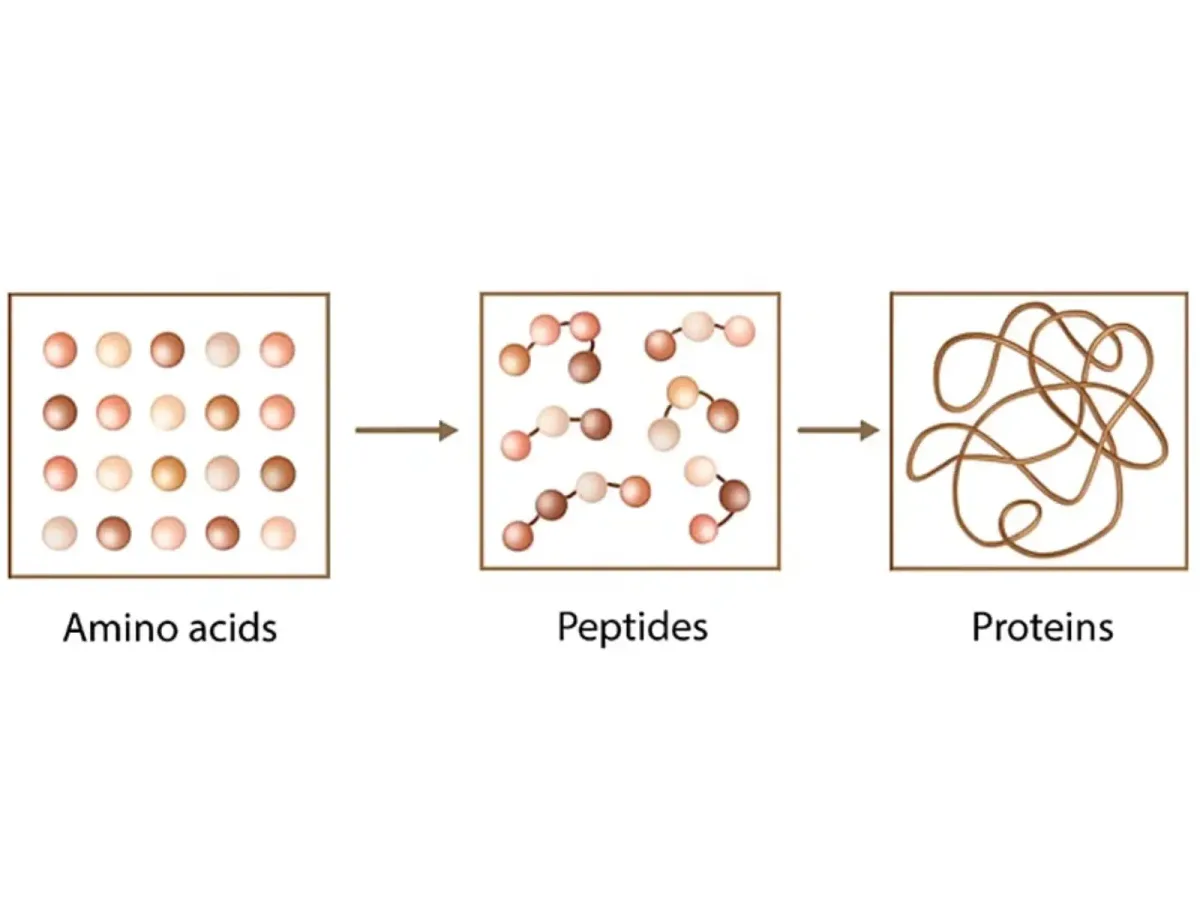
Peptides and Amino Acids: Structure, Bonds and Differences
Introduction to Amino Acids and Peptides Amino acids are organic molecules that contain both an α-amino group (–NH₂) and an α-carboxyl group (–COOH). Moreover, these groups play a crucial role in t…
Dec 4, 2025

Peptide Information
Peptide Purity Explained: Why 99% Matters in Research
NUPEPS Peptides delivers peptides with purity levels exceeding 99%, achieved through advanced production technologies and a comprehensive.
Dec 4, 2025
Applications
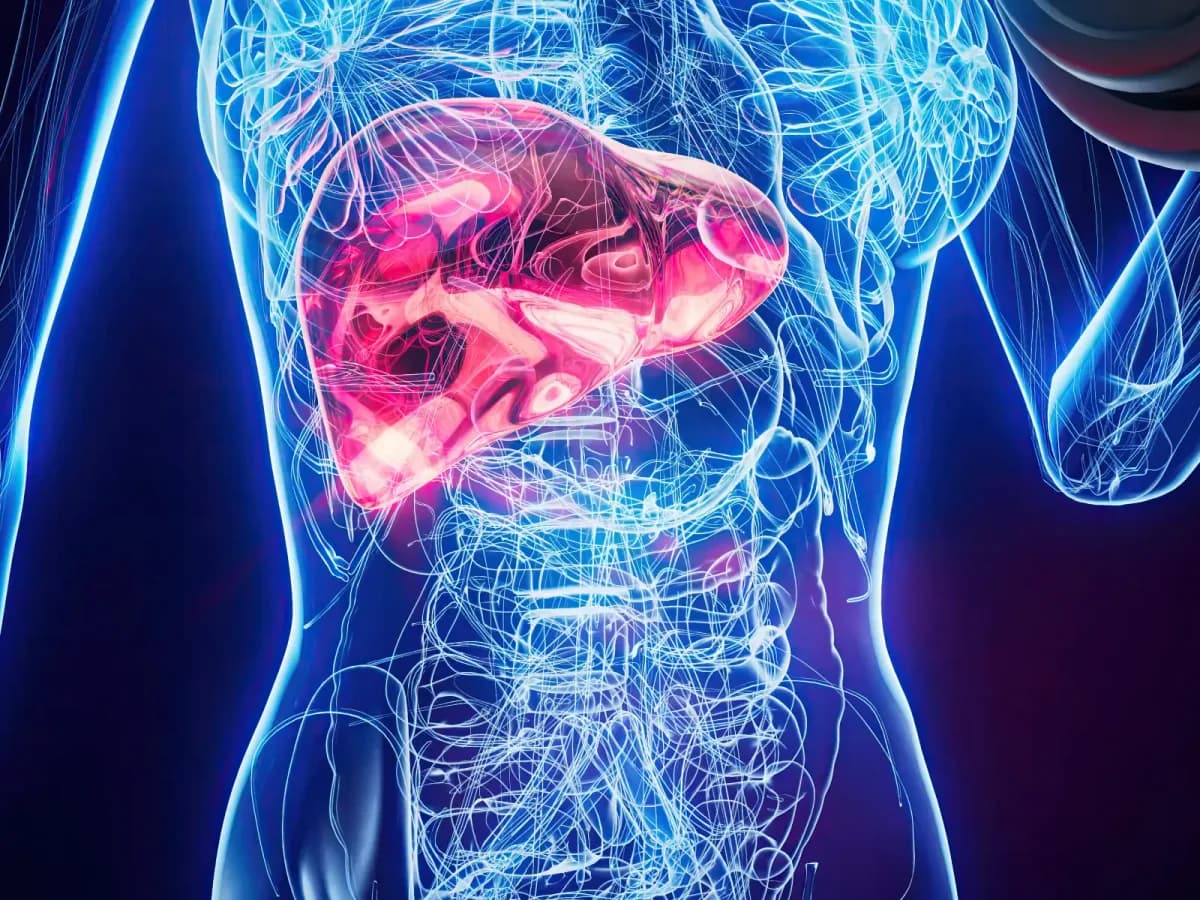
Antioxidation and Liver Health: Peptide Research Overview
The liver is one of the body’s most important metabolic and detoxification organs. It performs essential functions including biosynthesis, energy storage, and the clearance of harmful substances. F…
Dec 4, 2025

Applications
Immunity and Anti-Inflammation: Peptide Mechanisms
The immune system maintains balance in the body through a highly coordinated network of cells, receptors, and signaling molecules. When this system becomes dysregulated, it can lead to infections, …
Dec 4, 2025
Applications
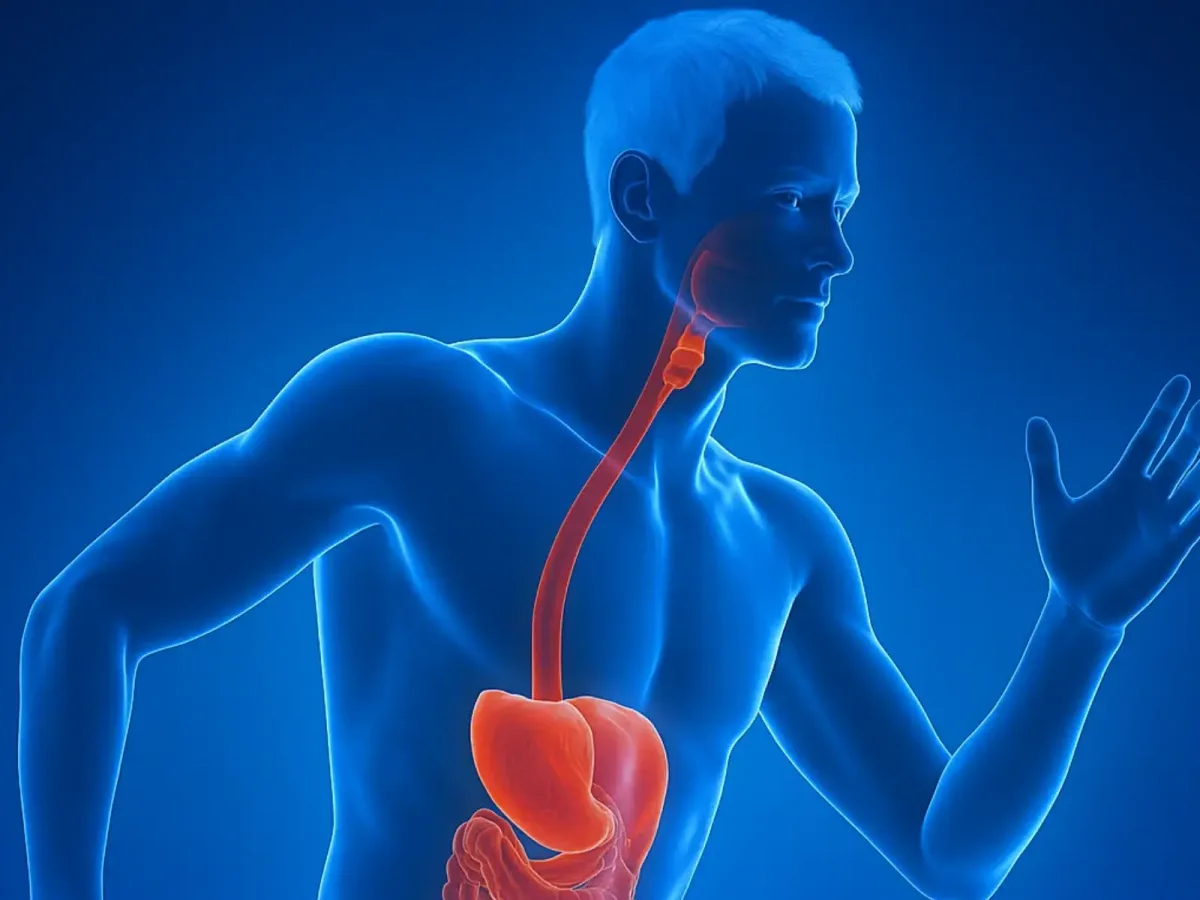
Metabolic and Endocrine Regulation: Peptides and Mechanisms
The metabolic and endocrine systems work together to maintain energy balance, material metabolism, growth, and overall physiological stability. When this balance is disrupted, conditions such as di…
Dec 4, 2025
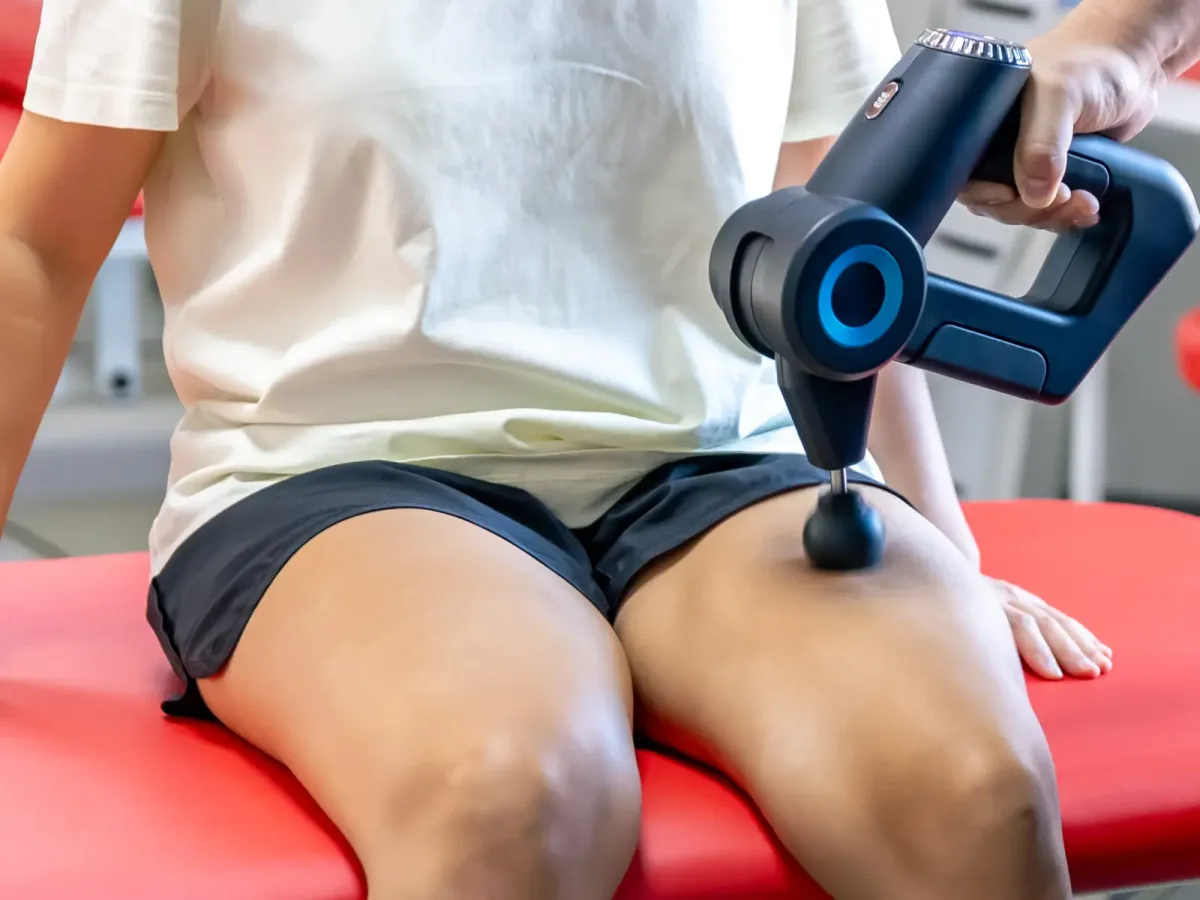
Applications
Muscle and Tissue Repair: Peptide Mechanisms and Evidence
Muscle and tissue repair are essential biological processes responsible for maintaining mobility, structural strength, and recovery after injury. These processes rely on tightly coordinated mechani…
Dec 4, 2025

Applications
Neurological and Cognitive Health: Peptide Research Overview
The nervous system governs cognition, emotion, and overall body function through highly complex signaling and neurotransmitter networks. When these systems are disrupted—whether through degeneratio…
Dec 4, 2025
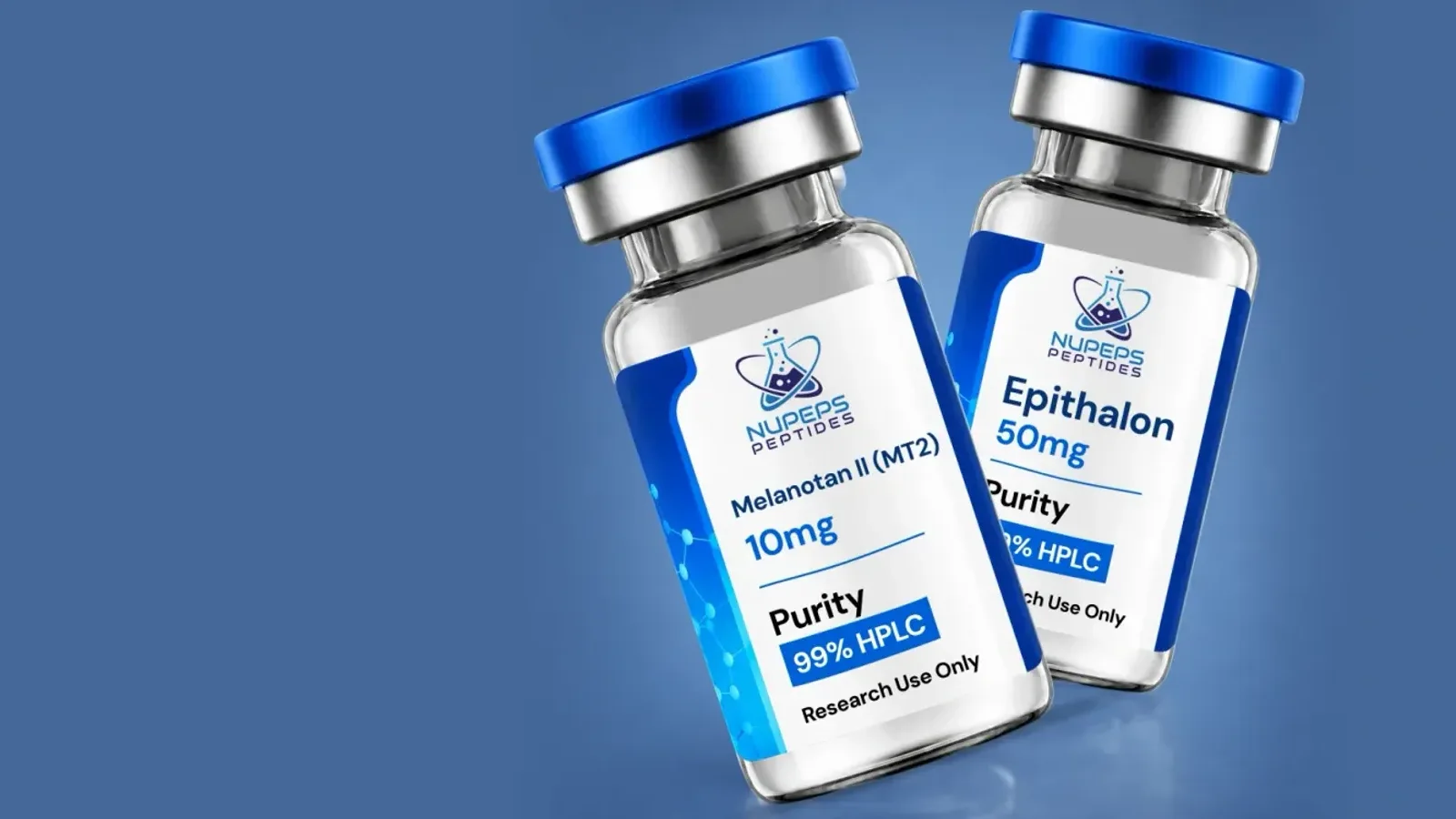
Applications
Other Application Areas: Peptide Research Fields Explored
Peptide-based substances, known for their structural diversity and high biological activity, offer significant value beyond their well-established roles in metabolic regulation and immune modulatio…
Dec 4, 2025
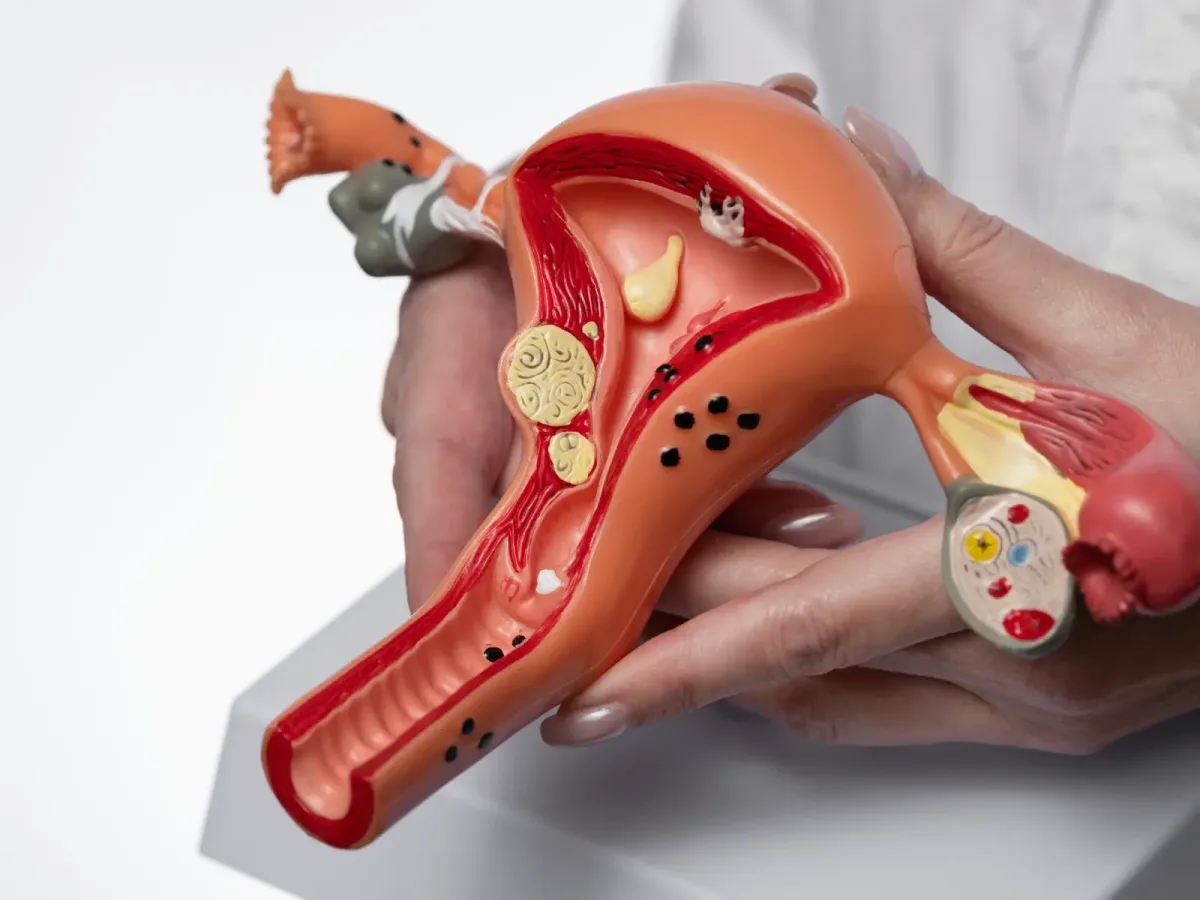
Applications
Reproductive Health and Hormonal Regulation: Peptides
Reproductive health is a key part of human well-being and depends on the proper functioning of the endocrine system. At the center of this system is the hypothalamic-pituitary-gonadal (HPG) axis, w…
Dec 4, 2025
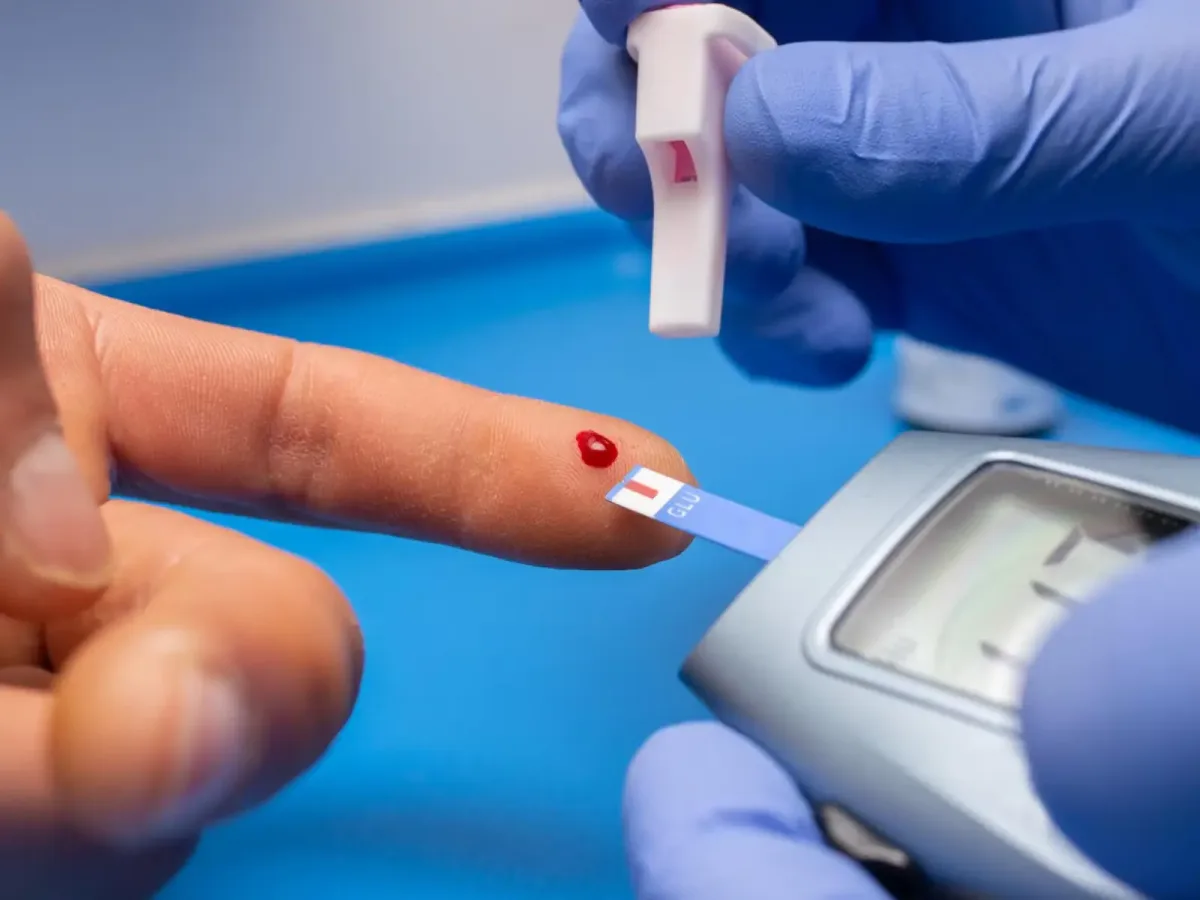
Peptide Information
Semaglutide: GLP-1 Receptor Research Overview
Semaglutide is a synthetic GLP-1 receptor agonist studied in published laboratory research on incretin signaling and metabolic pathways.
Dec 4, 2025
Peptide Information
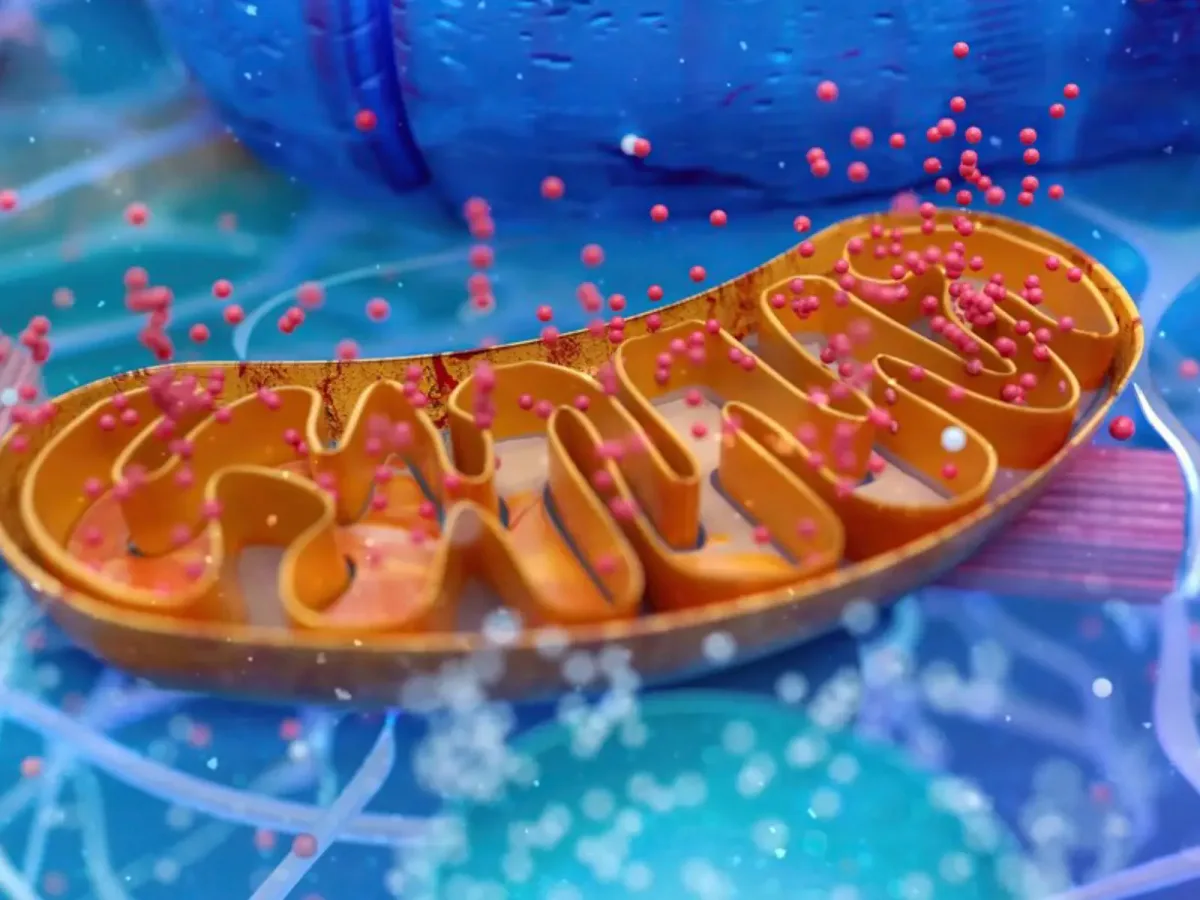
The Dual Receptor Agonist Mechanism of Tirzepatide Obesity
Overview of Tizepatide Obesity is a growing global health concern, closely linked to chronic conditions such as cardiovascular disease and type 2 diabetes. Safe and effective weight management stra…
Dec 4, 2025

Peptide Information
BPC-157 Tissue Repair: Gastrointestinal and Joint Studies
A review of the published preclinical literature on BPC-157 in gastrointestinal and musculoskeletal research models. For lab research use only.
Dec 4, 2025

Peptide Information
Epitalon: Telomere Lengthening and Anti-Aging
Epitalon is a synthetic short peptide recognized for its potential anti-aging effects. By influencing telomeres, the protective structures at the ends of chromosomes,
Dec 4, 2025

Peptide Information
Melanotan-2: Scientific Tanning and Skin Protection
Melanotan-2 (MT-2) is a synthetic cyclic heptapeptide and an analog of α-melanocyte-stimulating hormone (α-MSH). It primarily interacts with melanocortin 1 receptors (MC1R) on melanocytes, initiati…
Dec 4, 2025
Peptide Information
What Is TB-500? Thymosin Beta-4 Structure and Research
TB-500 is a synthetic fragment of thymosin beta-4 (Ac-LKKTETQ, residues 17–23) studied in muscle recovery, cell migration and tissue regeneration research models.
Dec 4, 2025
Peptide Information
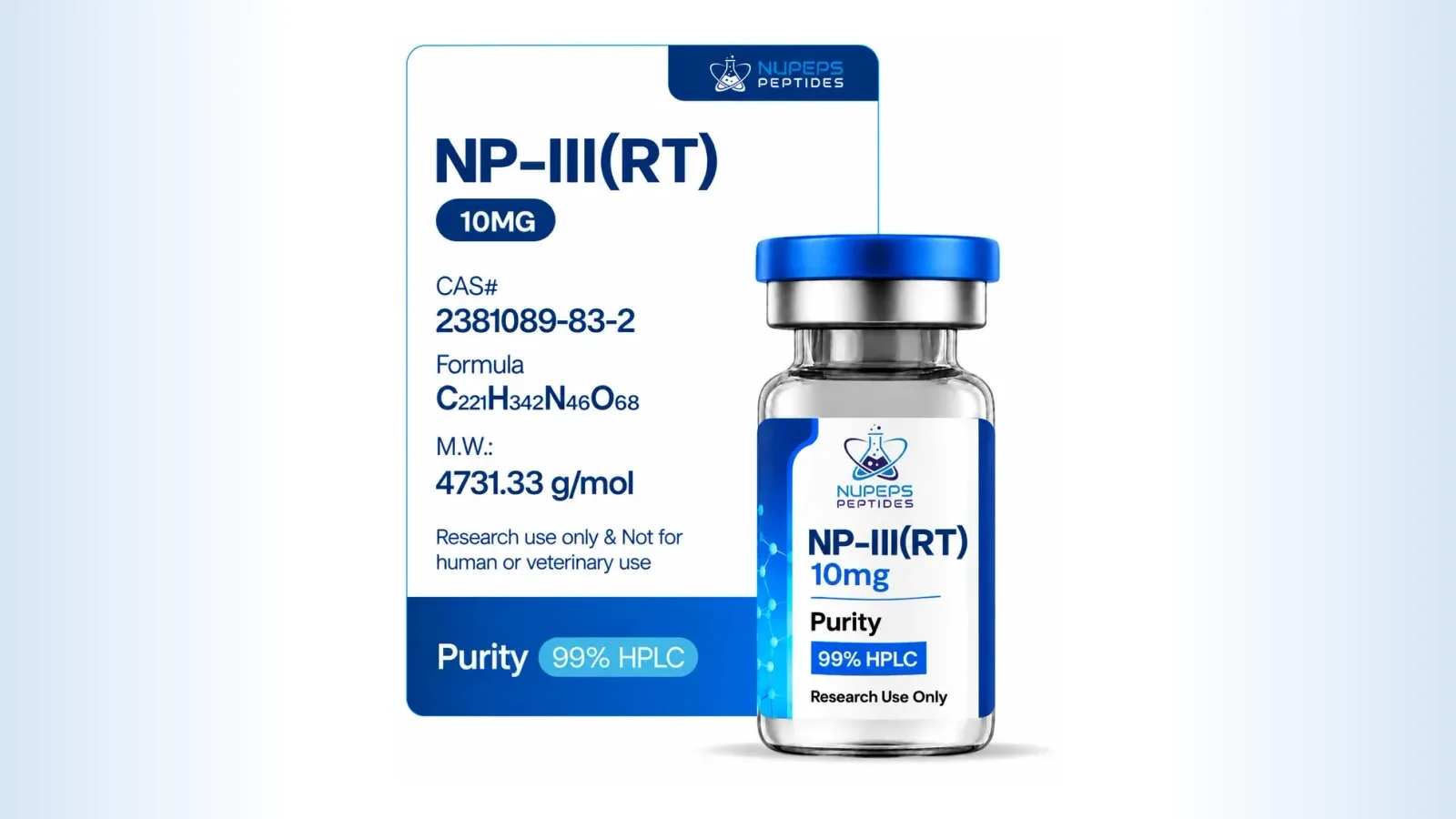
Retatrutide: The Triple Agonist in Metabolic Research
Retatrutide (LY3437943) is an investigational triple agonist (GIP, GLP-1, glucagon). A source-cited review of its mechanism and phase 2-3 trial status.
Dec 4, 2025

Peptide Information
FOXO4-DRI Research Guide: Senolytic Mechanisms and Studies
FOXO4-DRI is studied as a senolytic compound that targets senescent cells. Explore the research behind its mechanism and findings.
Dec 4, 2025

Peptide Information
Tesamorelin and Fat Metabolism: A Literature Review
A research-framed review of the published literature on Tesamorelin, GHRH signaling, and fat metabolism pathways. For laboratory research use only.
Dec 4, 2025

Peptide Information
DSIP Research Guide: Sleep Regulation and Study Findings
Delta sleep-inducing peptide (DSIP) is researched for its role in sleep regulation. See what the studies reveal.
Dec 4, 2025
Peptide Information
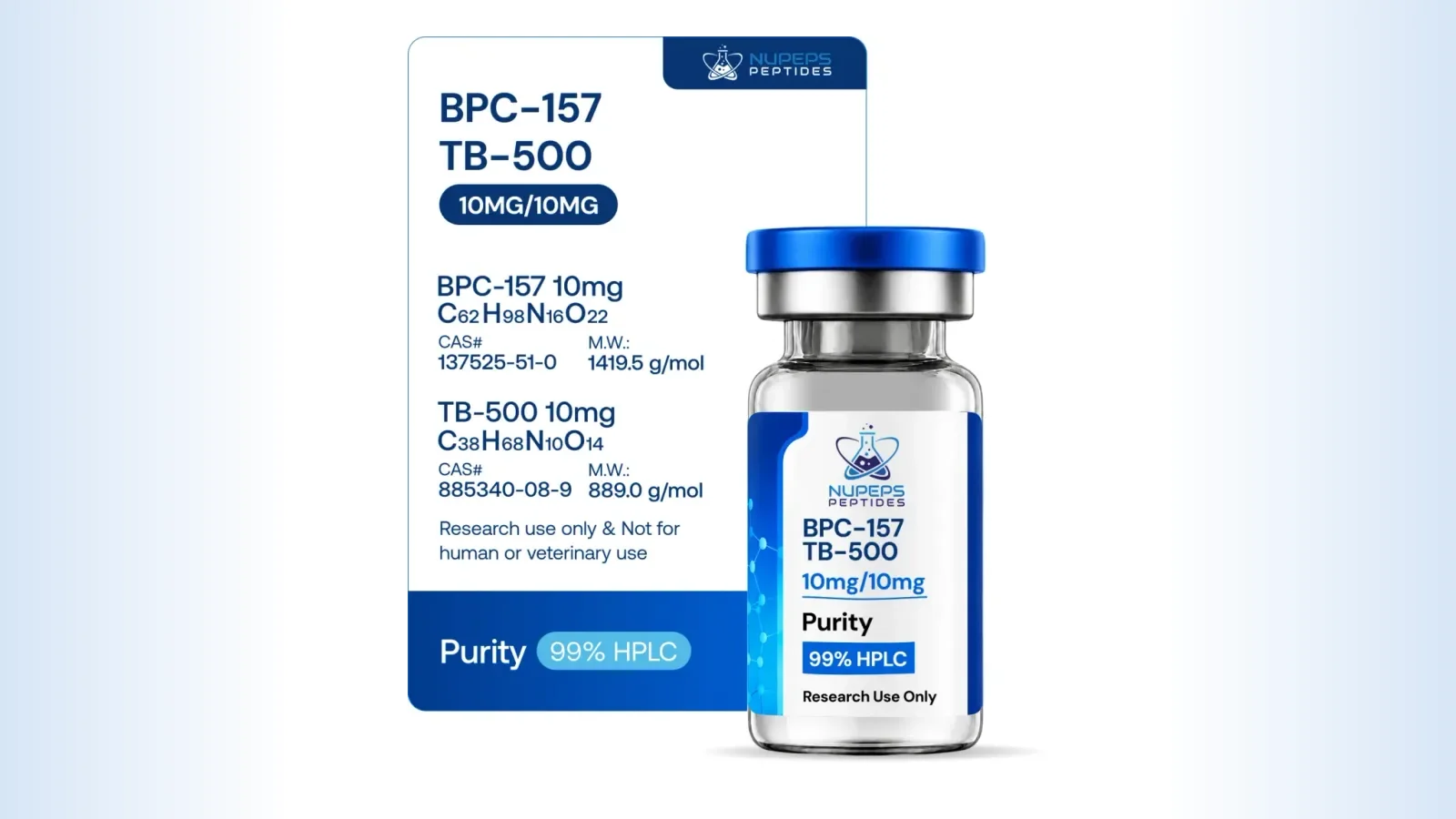
Peptides in Tissue Repair Research: A Preclinical Overview
Discover how specific peptides can accelerate muscle tissue repair, improve cellular recovery, and support overall muscle health in research studies.
Dec 1, 2025
Peptide Information
Peptides in Neuroprotection Research: Mechanisms and Studies
Explore the potential of peptides in protecting neuronal cells, reducing oxidative stress, and advancing treatments for neurodegenerative diseases.
Dec 1, 2025
Peptide Information
Optimizing Cellular Energy Metabolism with Peptides
Learn how mitochondrial-targeted peptides enhance ATP production, improve energy metabolism, and support experimental studies on cellular function.
Dec 1, 2025